Start with the rules for this particular trail
Trail etiquette begins before you take your first step. Check the sign at the entrance for permitted activities, dog rules, closures and any instructions about staying on the path. A paved neighborhood loop, a narrow woodland footpath and a shared-use trail may have different expectations. If you are unsure whether bikes or horses are allowed, look for posted guidance rather than assuming.
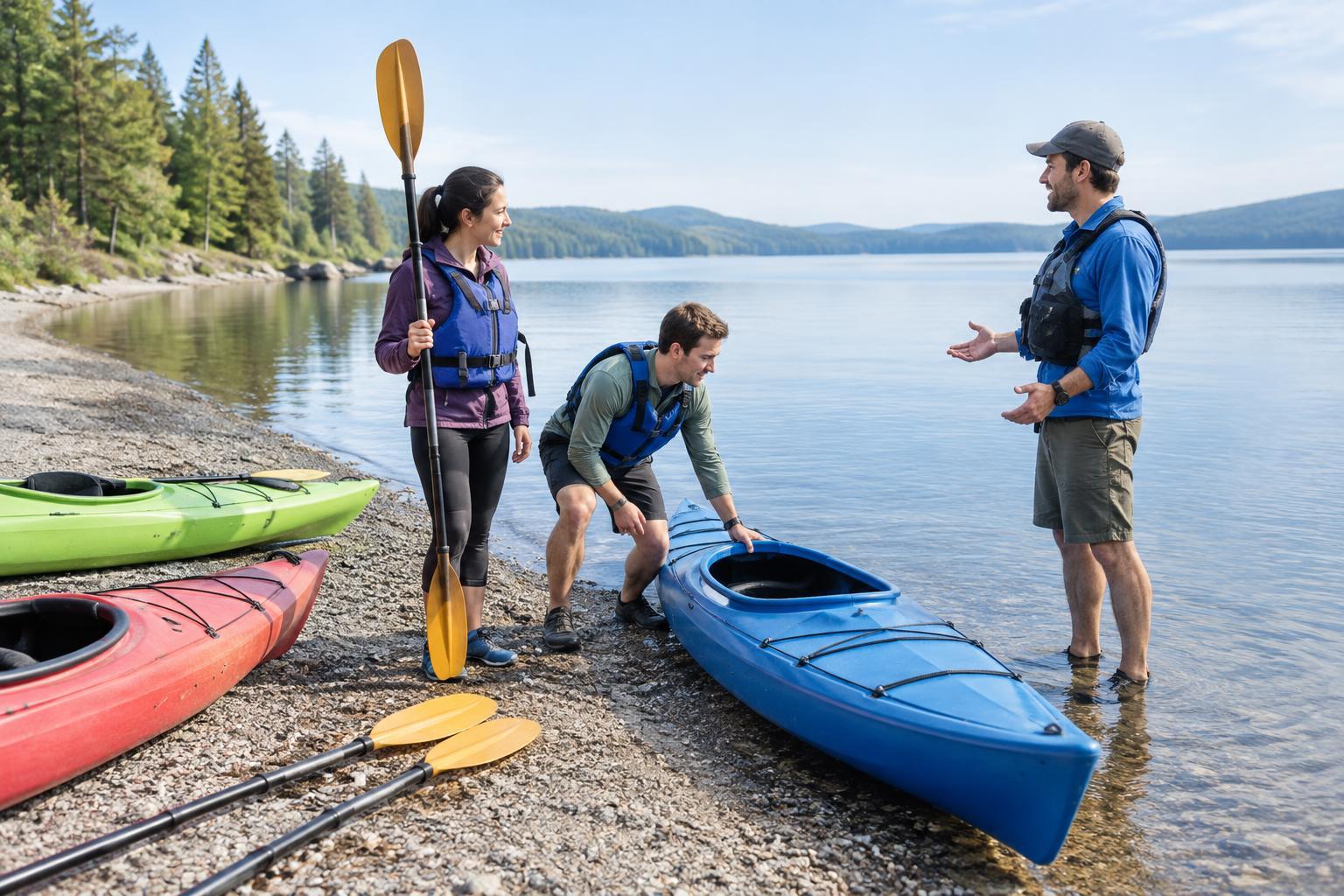
Choose a route that suits your group’s pace and available time. Bring water, a small bag for litter and shoes that feel secure on the surface. You do not need a specialized kit for every short outing, but a little preparation makes it easier to pay attention to other people and the place around you.
Pass with patience, not a race
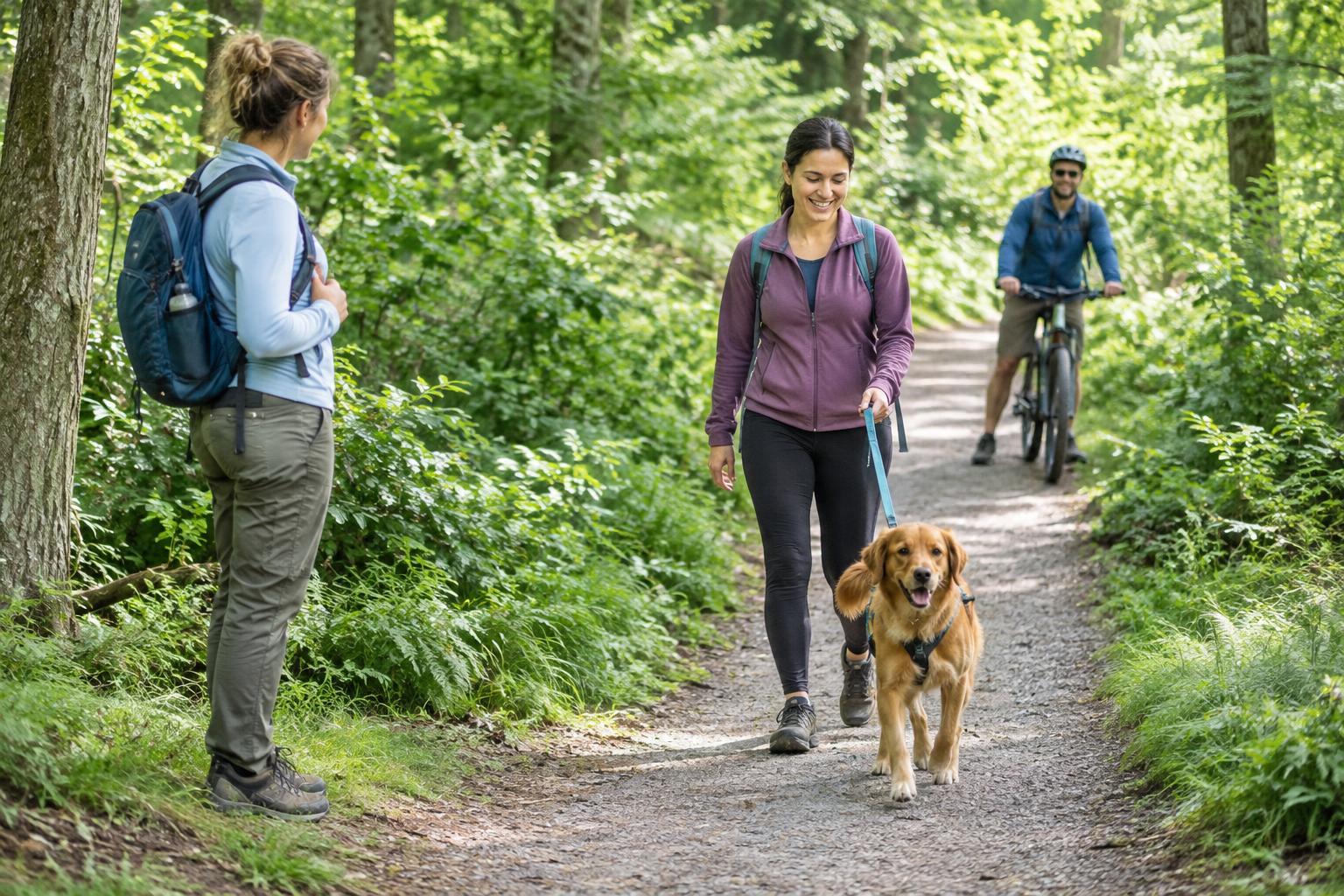
On a wide path, keep to the side commonly used in that area and leave enough room for others to pass. On a narrow trail, step aside at a sturdy, already-worn spot when it is safe to do so. Avoid widening the trail by walking through plants or cutting a new route around a puddle. If there is no safe place to move, pause and communicate rather than squeezing past.
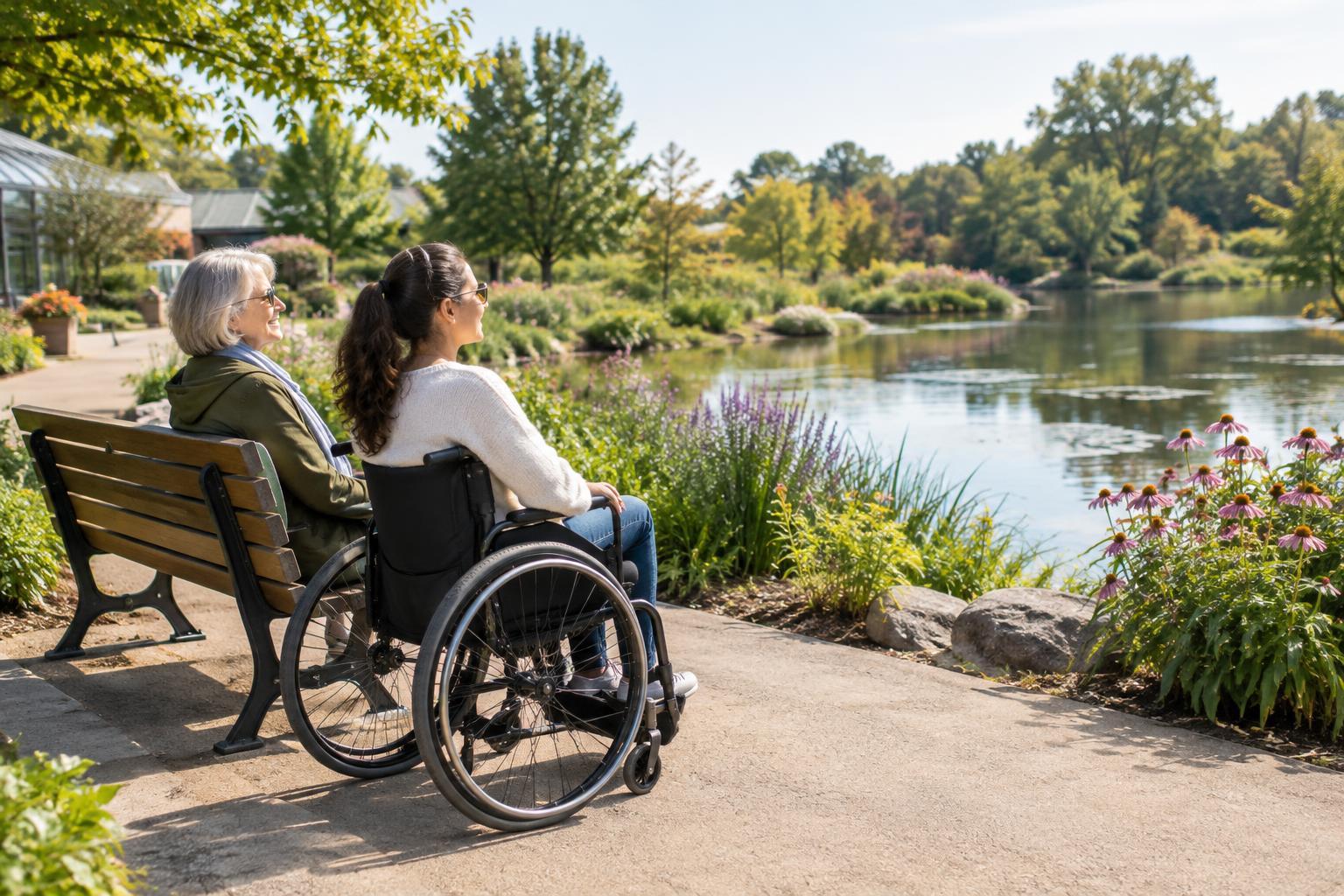
People traveling uphill are often given the right of way because restarting on a climb takes effort, but courtesy and safety matter more than a rigid formula. The person with the better place to stop can offer to yield. A friendly “Go ahead” or “Coming up on your left” clears up most confusion. Give anyone using a mobility aid the space and time they need without assuming they want help.
If you are cycling on a shared-use trail, slow well before reaching walkers and announce your approach at a conversational volume. Follow posted right-of-way rules; where horses are permitted, give them generous space and follow the rider’s directions. If you are walking with friends, shift into single file when others approach so the whole path is not blocked.
Keep sound and pets under control
A trail can feel like a welcome break from noise, so keep conversations at a level that lets others enjoy the setting. Use headphones rather than a speaker, and keep the volume low enough to hear approaching people or bikes. If you stop to check a map, take a photo or have a snack, move to a suitable spot off the main flow of traffic without stepping on vegetation.
Bring a dog only where dogs are allowed, and follow the posted leash rule even if your pet usually comes when called. Not everyone is comfortable around dogs, and other animals may react unpredictably. Keep your dog close when passing, ask before allowing a greeting and carry waste bags. Used bags belong in a bin that accepts them or in your pack until you reach one—not beside the trail for pickup later.
Leave the path, plants and wildlife as you found them
Staying on the established path helps protect nearby plants and keeps one route from spreading into several. Resist shortcuts at bends and switchbacks, even when the destination is in sight. In muddy areas, follow any posted detour; otherwise, walking through the middle of the existing trail is generally less damaging than trampling its edges. Turn back if conditions or a closure make continuing inappropriate.
Enjoy flowers, rocks and other natural features where they are. Give wildlife room to move away, observe without chasing it for a photo and never offer food. Animals can become drawn to busy paths when visitors feed them, and even a small snack can create problems. Check local guidance before collecting anything; in many places, leaving it in place is the simplest respectful choice.
Make the last five minutes count
Before leaving a rest spot, look back for wrappers, tissues, fruit peels and tiny scraps. Pack out everything you brought, including food waste. If you need a bathroom, use a designated facility when one is available. Rules for handling human waste vary by location and terrain, so check the trail’s guidance before setting out on a route without facilities.
Finish with a quick check at the trailhead: leash, water bottle, snack packaging, waste bag and any gear your group set down. None of this requires a perfect hike. Trail etiquette is a series of small choices—slowing down, making room and leaving fewer signs of your visit—that helps the next person enjoy the same path.