Start with one museum, then check the full timetable
Choose the museum you most want to visit before filling the rest of the day. Check its official website for the date you have in mind, rather than relying on a general listing of opening hours. Hours can vary by day, and a building’s closing time may not be the last time visitors can enter. Look for timed-entry requirements, gallery closures and separate hours for cafés or special exhibitions.
Work backward from when you need to leave. If the museum closes at 5 p.m. and you would like two unhurried hours inside, arriving at 3 p.m. leaves no cushion for a delayed bus, a ticket line or a coat check. An earlier arrival gives you choices: you can linger in a favorite gallery, take a break or leave when you feel ready.
Compare the price you will actually pay
Admission prices are not always as simple as one number on a home page. General admission, special exhibitions and guided activities may be priced separately. Before choosing a ticket, check whether you qualify for a reduced rate and whether it requires identification or booking in advance. Some museums offer free admission periods or pay-what-you-can options, but availability and rules differ, so confirm them for your visit date.
Add the less obvious costs to your plan: booking fees, transport, parking, food and a locker if you expect to need one. For example, a lower-priced museum across town may cost more overall than a nearby one you can reach on foot. If a paid exhibition would push the day beyond your budget, general admission alone can still make a satisfying outing. Pick a few rooms you are genuinely curious about instead of trying to see every display.
Build a schedule with breathing room
A manageable museum day needs only a few anchors: arrival, any timed ticket, a meal or snack, and departure. Put those in your calendar first. Then allow extra time for the trip there and for finding the entrance. If you are meeting someone, agree on a specific place to meet; a large museum may have more than one door.
Plan the visit around your energy, not the size of the collection. You might spend the first hour on one exhibition, pause for a drink and use the remaining time to explore another floor. Check whether food and drinks are allowed inside before packing a snack. If you prefer to eat out, look at nearby options ahead of time and decide what you are comfortable spending. A simple packed lunch in a suitable outdoor spot can keep the outing affordable, provided the weather cooperates.
Make a free or discounted window work for you
A free admission window can be an excellent reason to visit, especially if you want a short introduction rather than a full day. First, check whether it covers the entire museum and whether you need to reserve a ticket. Popular windows may feel busier, so give yourself a modest goal: one exhibition, a handful of favorite objects or a relaxed look around the permanent collection.
If the free period is late in the day, check the last-entry time before making travel plans. Avoid arranging an elaborate itinerary that depends on getting through several galleries just before closing. You can pair a shorter visit with a walk through a nearby neighborhood or park. That gives the day a second activity without adding another admission charge.
Do one final check before leaving home
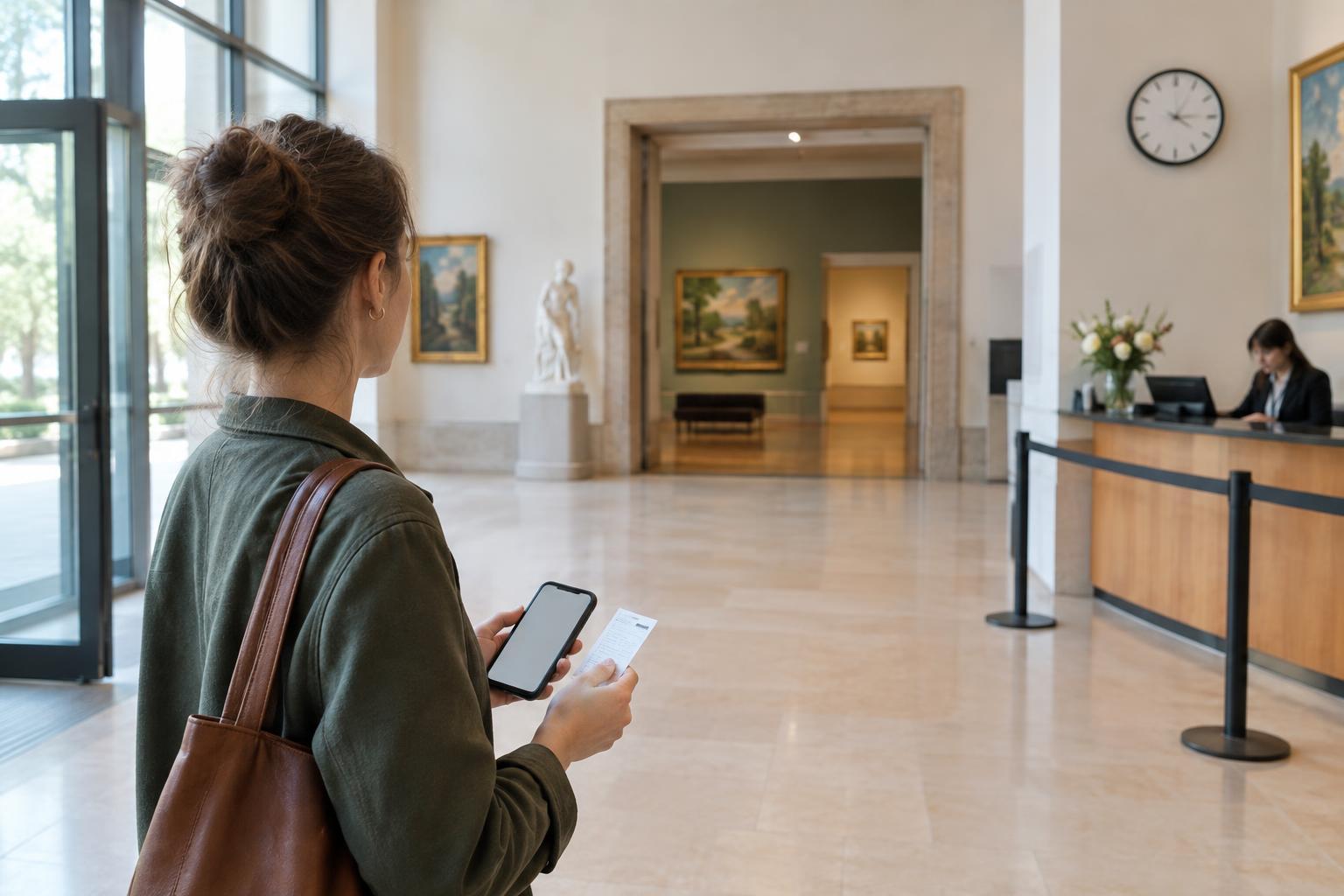
On the morning of your trip, confirm the opening hours, your reservation and the route. Save your ticket where you can reach it without searching through messages at the door. Check the museum’s visitor information for bag rules, accessibility details and any facilities that matter to you or your group. If you are visiting with children, agree on a realistic stopping point rather than assuming everyone will want the same amount of time inside.
Keep a backup plan small. A nearby café, public garden or second museum with convenient hours is enough if your first choice is unexpectedly unavailable. The aim is not to schedule every minute. It is to know the important prices and times in advance so you can spend the day paying attention to what you came to see.