Start with the place, the people and the clock
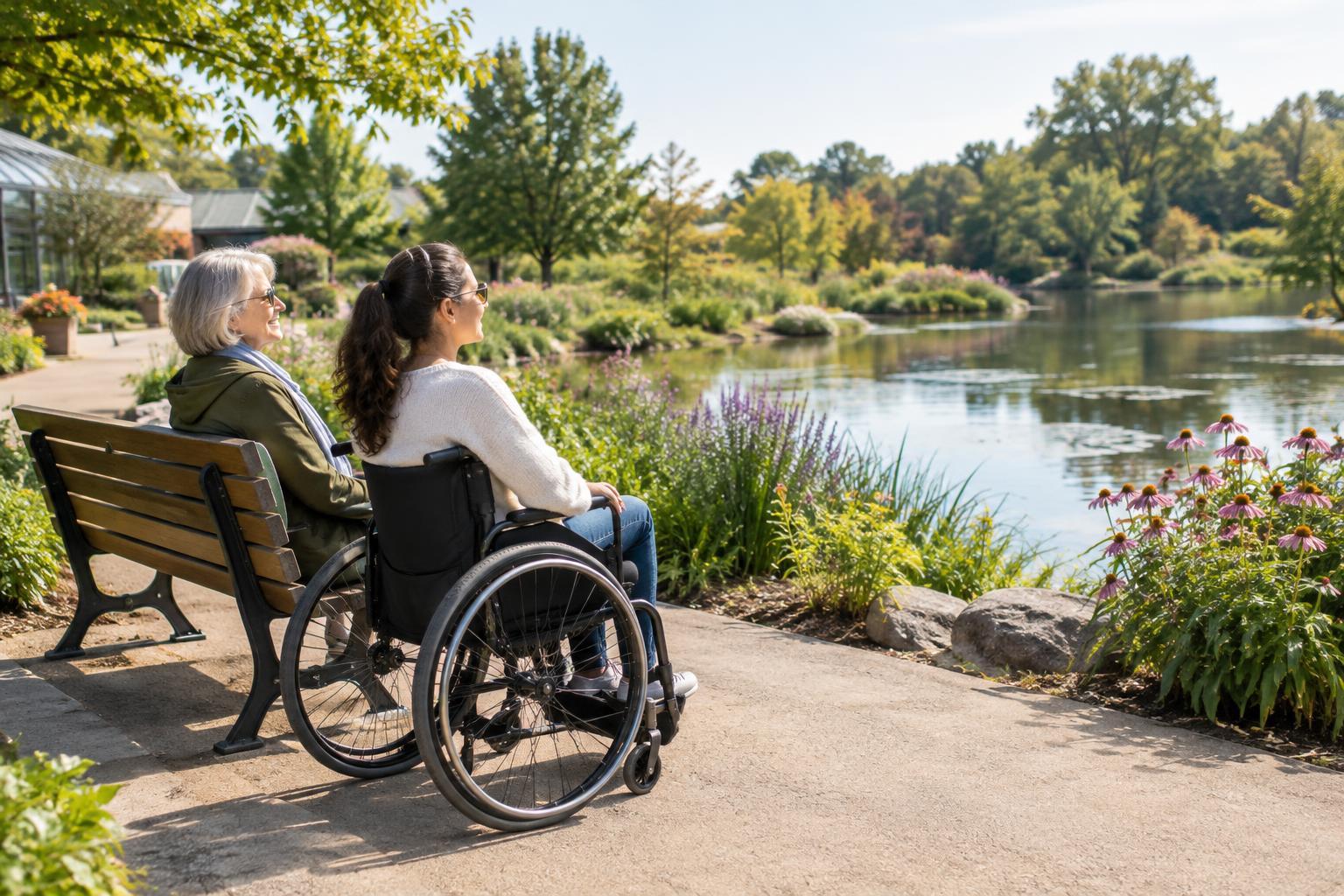
A nearby park, public garden or shady spot along a walking route can be enough for a memorable afternoon. Before buying food, check whether your chosen spot has tables, drinking water, toilets and bins. If it does not, bring only what you can comfortably carry out. A short trip close to home also means less time for chilled food to warm up.
Keep the plan modest: decide when you will eat, how long you will stay and who is bringing what. Eating soon after arrival is simpler than carrying a full lunch through a long walk. If the weather looks very hot, choose a shaded place and a shorter outing, or pack foods that do not need chilling. A picnic is still a picnic if it lasts an hour.
Build a menu around what you already have
Choose two or three foods that travel well rather than making a separate dish for everyone. Bread or crackers, whole fruit, washed vegetables and a shelf-stable spread can make an inexpensive meal with little preparation. You might add sandwiches made from ingredients already in the fridge, such as cheese and sliced vegetables, provided you can keep them cold until it is time to eat.
Buy only what fills a real gap in the menu. Apples or oranges may travel more easily than delicate berries; a large container of water costs less than individual drinks. Reusable cups, a kitchen towel and ordinary food containers can stand in for disposable picnic supplies. If friends are joining, ask each person to bring one specific item so you do not end up with three bags of chips and no lunch.
Consider how each food will be served outdoors. Precut vegetables at home with clean utensils, and pack portions that people can take without reaching into a shared container repeatedly. For a longer outing without a reliable cooler, lean toward whole fruit, unopened shelf-stable foods and other items whose labels do not require refrigeration.
Give perishable food a cold, separate space
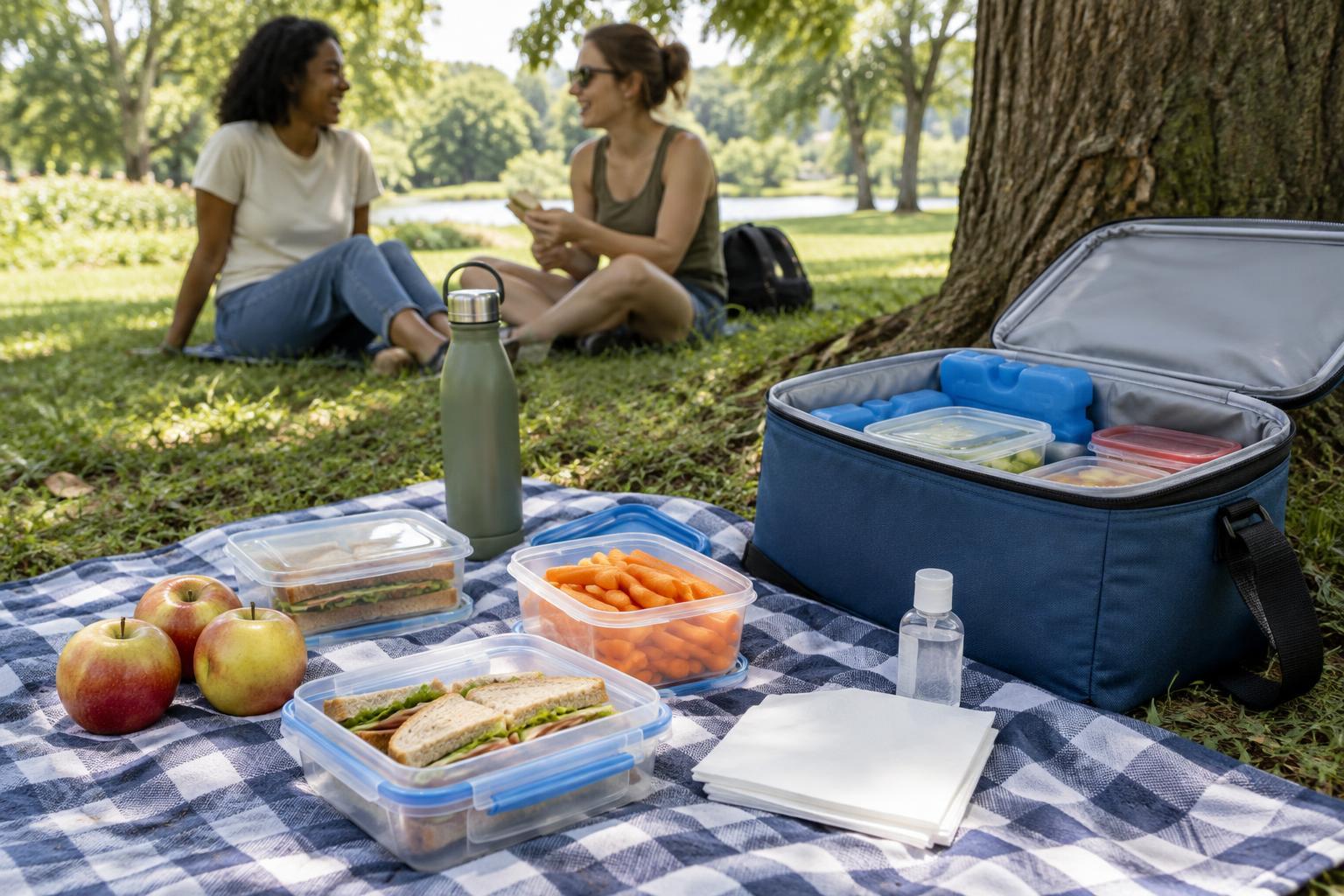
Meat, dairy, eggs, cut fruit, prepared salads and many leftovers need careful temperature control. Chill them thoroughly before leaving, then pack them in an insulated cooler or bag with plenty of frozen ice packs. Put the cold packs around the food, fill empty spaces where practical and keep the bag closed and out of direct sun. A small cooler packed well is usually more useful than a large, mostly empty one.
As a general food-safety rule, perishable food should not spend more than two hours at room temperature, or more than one hour when the air temperature is above 90°F (32°C). That time includes packing, travel, serving and sitting on the picnic blanket—not just the drive home. Aim to keep chilled food at 40°F (4°C) or below; a cooler thermometer can help if you have one. When you cannot keep food cold, change the menu rather than guessing whether it is safe.
Pack drinks separately if possible. People tend to open the drinks bag often, while food stays colder when its cooler remains shut. If you have only one bag, place the meal you will eat first near the top and close the lid promptly after serving.
Make clean hands and serving easy
Food safety is also about avoiding germs, not just managing temperature. Wash your hands before preparing food and before eating when facilities are available. Otherwise, bring hand sanitizer for hands that are not visibly dirty, plus a small bag for used wipes and rubbish. Pack clean utensils in a container or wrapped towel rather than letting them roll around loose.
Keep raw meat out of a ready-to-eat picnic menu unless you have the equipment and space to transport, cook and handle it safely. Do not put cooked or ready-to-eat food on a plate that held raw meat. Set food on a clean blanket, tray or table surface, and cover it between servings to discourage insects and keep debris out.
Plan the trip home before you sit down
Bring a bag for rubbish and one for reusable containers. Serve small portions and leave the rest in the cooler instead of putting everything out at once. This cuts waste and gives any untouched, properly chilled food a better chance of making it home safely.
Before you leave, check how long perishable food has been out and whether the cooler has stayed cold. Throw away food that has exceeded the safe time limit or whose storage conditions are uncertain; smell and appearance cannot reliably tell you whether it is safe. Then shake out the blanket, collect every wrapper and head home without a complicated cleanup. The best low-cost picnic is one you can enjoy without worrying about the food afterward.