Choose a destination that works without a car
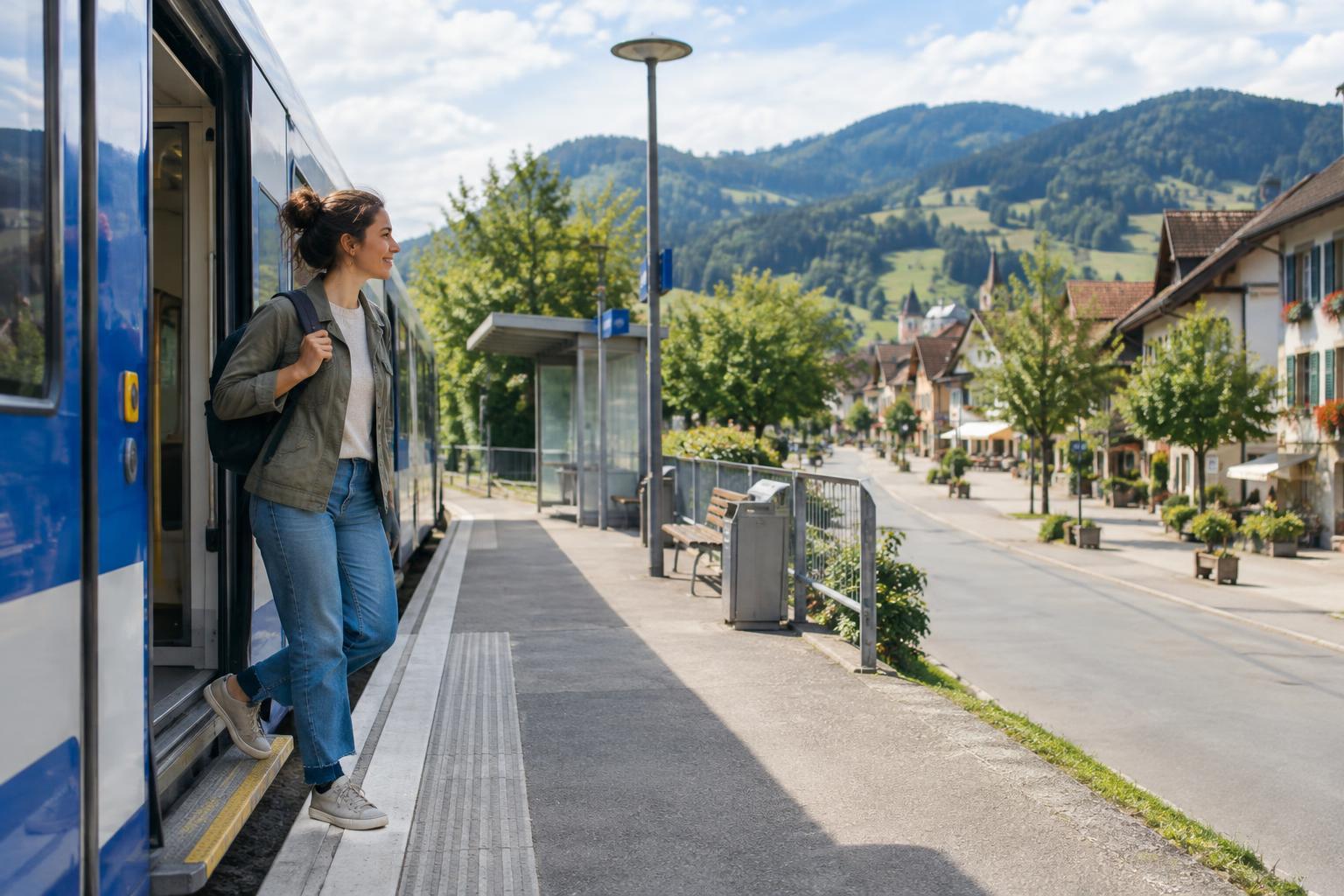
The easiest car-free day trip is not necessarily the place with the shortest train or bus ride. It is the place where you can do something enjoyable soon after you arrive. Look for a town center, waterfront, park entrance, museum district or walking trail within a comfortable distance of the station or stop. A destination that requires another long transfer may still be worthwhile, but it leaves less time for the day itself.
Start with one main reason to go: a walk by the water, lunch in a new neighborhood or an afternoon at a gallery. Then check what else is nearby on foot. A compact area with a few options gives you flexibility if the weather changes or an attraction is closed. Pay attention to hills, road crossings and walking distances rather than assuming two places that look close on a map will feel close on the ground.
Plan the return trip first
Before choosing when to leave home, find a return train or bus that gives you enough time at your destination. Note the last practical departure, not just the last service listed. A late connection with a tight transfer or a long wait at an unfamiliar stop may not be the relaxed ending you want. If possible, identify an earlier return as your preferred option and keep a later one as a backup.
Check the full route in both directions. The outbound and return services may use different stops, run less often at certain times or require a change. Timetables and service notices can change, so confirm the details with the operator before you travel and again on the day. Save the route, stop names and return times where you can reach them without relying on a mobile signal. If accessibility matters, check station access, vehicle information and any assistance arrangements directly with the operator.
Give the day a loose shape
A good day-trip plan needs a few anchors, not a minute-by-minute schedule. For example: arrive in the late morning, take a short walk, have lunch, visit one main place, then allow time for a snack or a second stroll before heading back. That gives the outing a purpose without making every delayed bus or lengthy conversation feel like a problem.
Build in a buffer between your last activity and the return departure. You may need to walk farther than expected, find the correct platform or stop, or buy a ticket. If your destination is new to you, mark a café, library or other indoor place near the station where you could wait comfortably. Also think about the point at which you would turn around on a trail or leave an attraction so the trip home stays easy.
Set a budget before you go
Add up the round-trip fare, any local transit, admission and a realistic food allowance. Check whether an off-peak, day-return or group ticket suits your plans, but read its time and route restrictions before buying. A lower fare is less useful if it rules out the return service you want. If tickets must be bought in advance, check the change or refund terms before committing.
You can keep costs manageable without making the day feel sparse. Choose a free walk or public space as your main activity, bring a refillable bottle and pack a snack for the journey. Then pick one thing you would enjoy spending money on, such as lunch or an exhibition. Leave a small amount in your budget for an unexpected local fare or a warm drink while you wait.
Pack light and keep a backup plan
Carry what will make the journey comfortable without weighing you down: a charged phone, payment method, ticket or booking details, water, a layer for changing weather and shoes suited to your planned walk. A small bag is easier to manage on crowded vehicles and lets you explore without thinking about your belongings all afternoon. Check the forecast before leaving, but bring a light rain layer if conditions look uncertain.
Finally, decide what you will do if the day does not go exactly to plan. An indoor alternative can rescue a rainy afternoon; an earlier train can help if you feel tired. Make sure someone knows your general plans if you are traveling alone, and keep enough battery or written information to navigate home. The goal is not to eliminate every surprise. It is to handle ordinary changes while still enjoying the freedom of a day away without a car.