Start with one reason to go
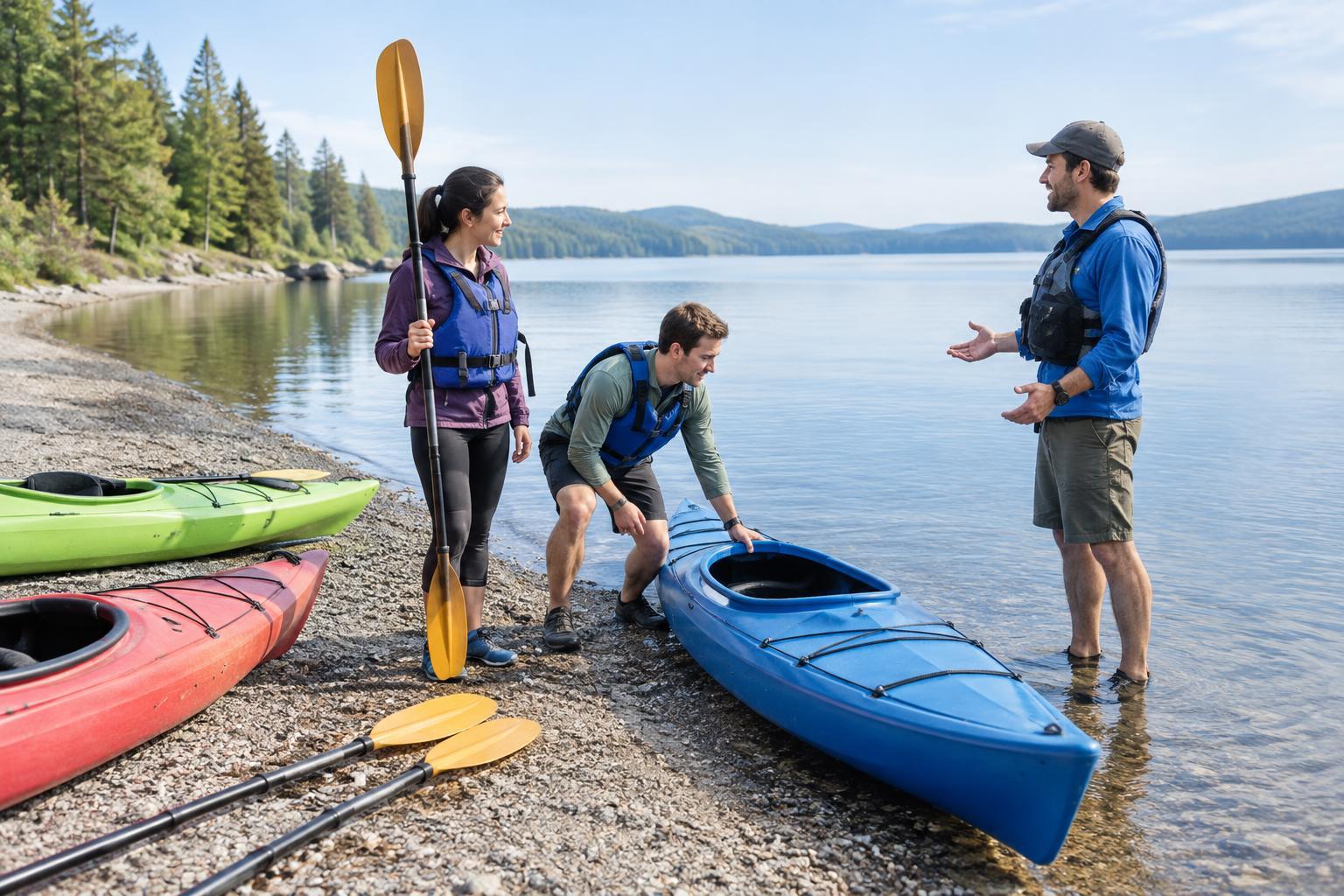
Before filling a calendar, decide what you most want from the outing. It might be a walk by the water, an afternoon at a museum or lunch in a nearby town. Make that your anchor activity. Once you know what matters most, it becomes easier to leave out stops that would make the day feel rushed.
Choose a destination that fits the time you actually have, not the time you hope you will have. A Saturday outing may also include a slow morning, errands or a commitment at home. Write down when you can realistically leave and when you want to be back. Those boundaries give the trip a shape before you start adding details.
For a day trip, one anchor activity and one optional stop are often more comfortable than a long list. If the main plan is a trail walk, the optional stop could be a café afterward. You can enjoy the walk without feeling obliged to fit in the café, too.
Count travel from door to door
A journey involves more than the time spent moving. Add the minutes you need to get ready, reach a station or parking spot, find the entrance and settle in after arrival. On the way home, allow for getting back to your transport and unloading anything you brought. These small transitions can take a surprising share of a short trip.
Estimate the outward and return journeys separately. You may be happy to start early but less eager to travel late after a full day. If you are driving, think about whether you will need a fuel or rest stop. If you are taking public transport, leave room for the walk between stops and your destination. Check the relevant route or schedule before you leave rather than building a plan around an unverified connection.
For example, a place that appears to be an hour away might need a two-hour block on your itinerary: time to leave home, travel, park or arrive, and walk to the activity. This is planning space, not a prediction that every trip will take two hours. It helps you avoid treating arrival as the instant the activity begins.
Put breaks on the itinerary first
Breaks are easier to keep when they have a place in the plan. Put lunch, a drink stop and a short pause after the main activity on your schedule before adding more things to do. Consider the people coming with you: a companion who likes a leisurely meal, a child who needs time to play or anyone who finds long stretches on their feet tiring.
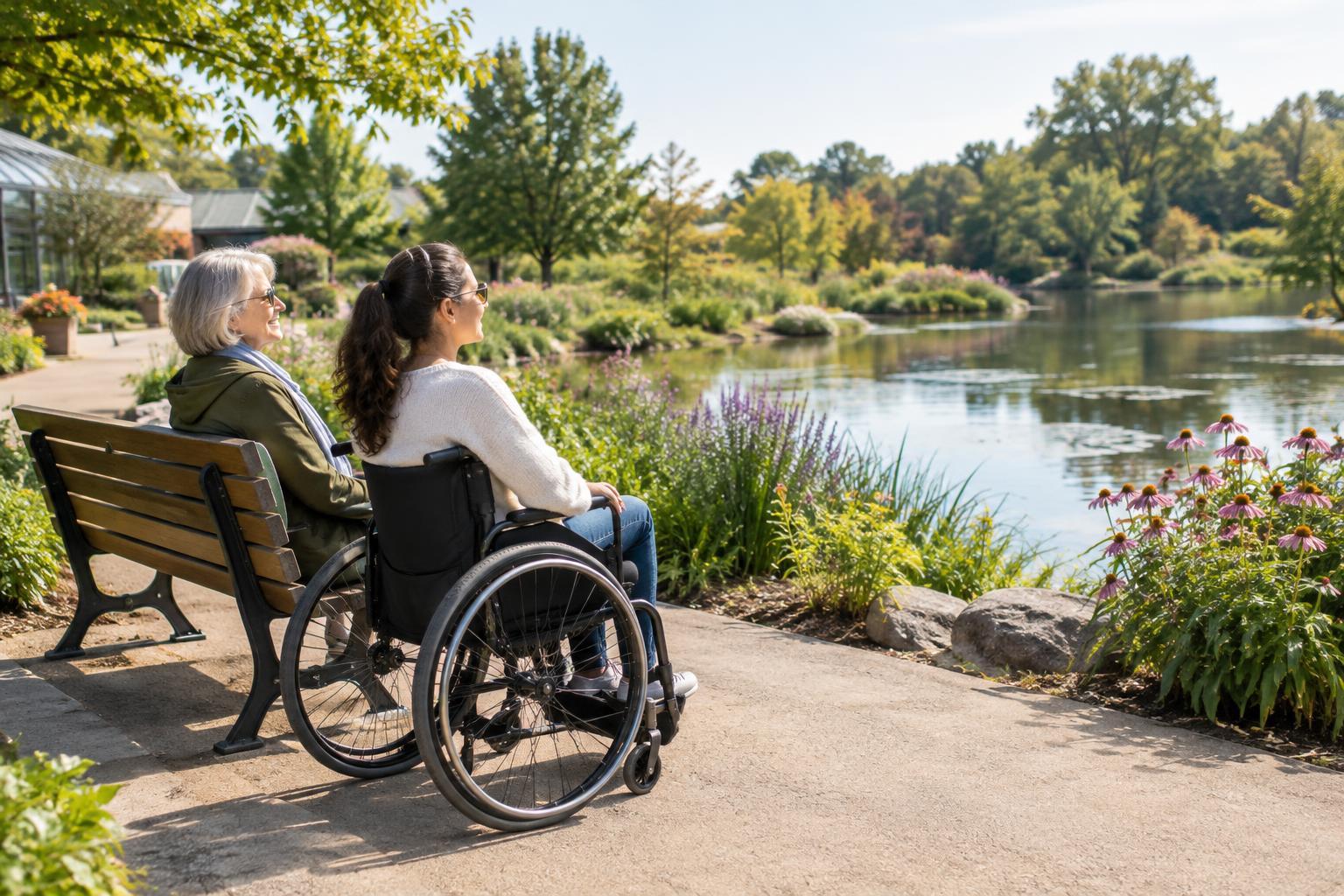
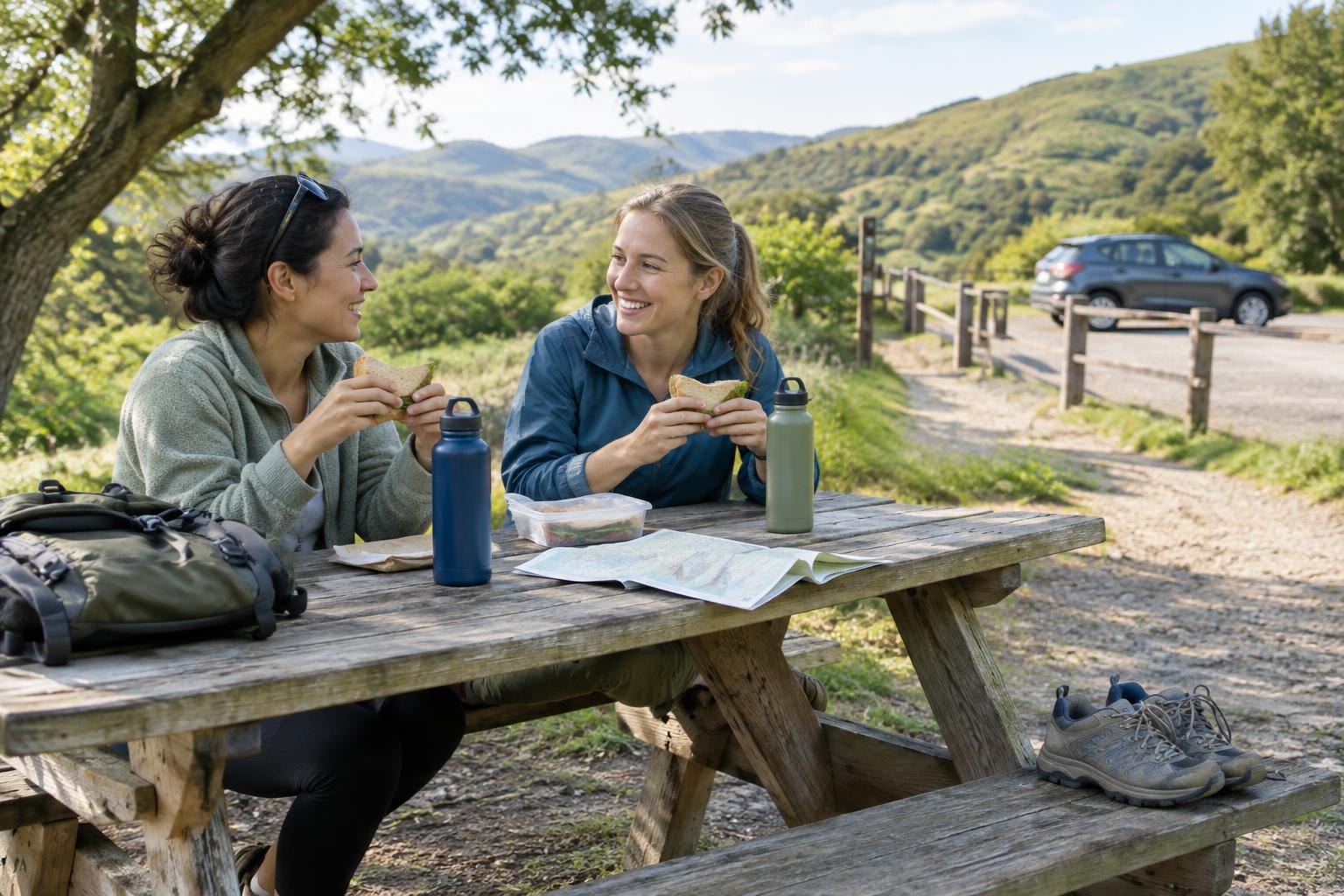
A break does not have to mean paying for a sit-down meal. You could pack sandwiches, use a picnic table or pause on a bench with water and a snack. If you plan to buy food, note a couple of possible places or areas rather than depending on one exact stop. Bring what you need to be comfortable if your first choice is closed or busy.
Leave a little unassigned time around meals and transitions. That space lets you browse a shop, take a scenic detour or simply finish lunch without watching the clock. It is also where minor delays can go without pushing the entire afternoon later.
Build a plan with a firm middle and flexible edges
A useful itinerary does not need to account for every minute. Give the anchor activity a start window and an approximate finish, then work outward. Keep fixed commitments, such as a booked entry time or the last practical train home, clearly separate from flexible ideas. If there is no booking, a time range may be enough.
A simple Saturday could look like this: leave home midmorning, arrive with time to find your way, spend late morning and early afternoon on the main activity, stop for lunch, then decide whether you have energy for a nearby second stop. Set a latest time to head home. The second stop is a bonus, not a test of whether the trip was successful.
If your itinerary feels too full, remove a stop before you shorten every break. You can also choose a closer destination or save the bigger outing for a weekend with more free time. A modest plan completed comfortably is often more satisfying than an ambitious one spent catching up.
Prepare lightly, then let the day happen
The evening before, check the essentials: opening hours if you are visiting a venue, your route, likely conditions and anything you must bring. Put tickets, comfortable shoes, a water bottle and a small snack where you can find them. A few minutes of preparation can prevent the morning from becoming its own rushed event.
During the trip, use your itinerary as a guide rather than a set of demands. If the main activity takes longer because you are enjoying it, skip the optional stop. If travel is slower than expected, take a proper break anyway and adjust your return plan. Notice when you or your companions are ready to head home.
Afterward, remember what worked: whether the travel felt manageable, where you wanted more time and which breaks made the day better. Those observations are useful when you plan the next weekend. Over time, you will build a sense of how much fits into a day while still leaving room to enjoy it.