Start with a total you can comfortably spend
Before choosing a destination, decide how much you want to spend on the entire outing. Include everyone you are paying for, and think of the limit as covering the day from your front door back to it. That makes it easier to compare a free park across town with a nearby museum that charges admission: the first may cost more to reach, while the second may be easy to walk to.
Next, sketch a loose plan. Where will you go, how long will you stay, and will you eat a meal while you are out? You do not need an hour-by-hour schedule. A destination, a way to get there and a likely meal stop are enough to reveal the main costs. If your total already feels tight, choose one main activity rather than trying to fit several paid stops into the same day.
Price the whole journey, not just the ticket
For public transport, check the cost of getting there and back for each person. A day pass may be convenient, but compare it with individual fares if you expect to make only two trips. If you are driving, estimate fuel along with parking, tolls or any fee to enter the destination. For a rideshare, consider both directions; the return trip may be harder to estimate, so leave some flexibility.
Include the short legs that are easy to overlook. You might need a bus from a train station, paid parking near a trailhead or a ride home after transit stops running. If friends are sharing a car, agree in advance how to divide parking and fuel. A clear plan keeps one person from absorbing costs that everyone expected to share.
Count fees and food before deciding what is affordable
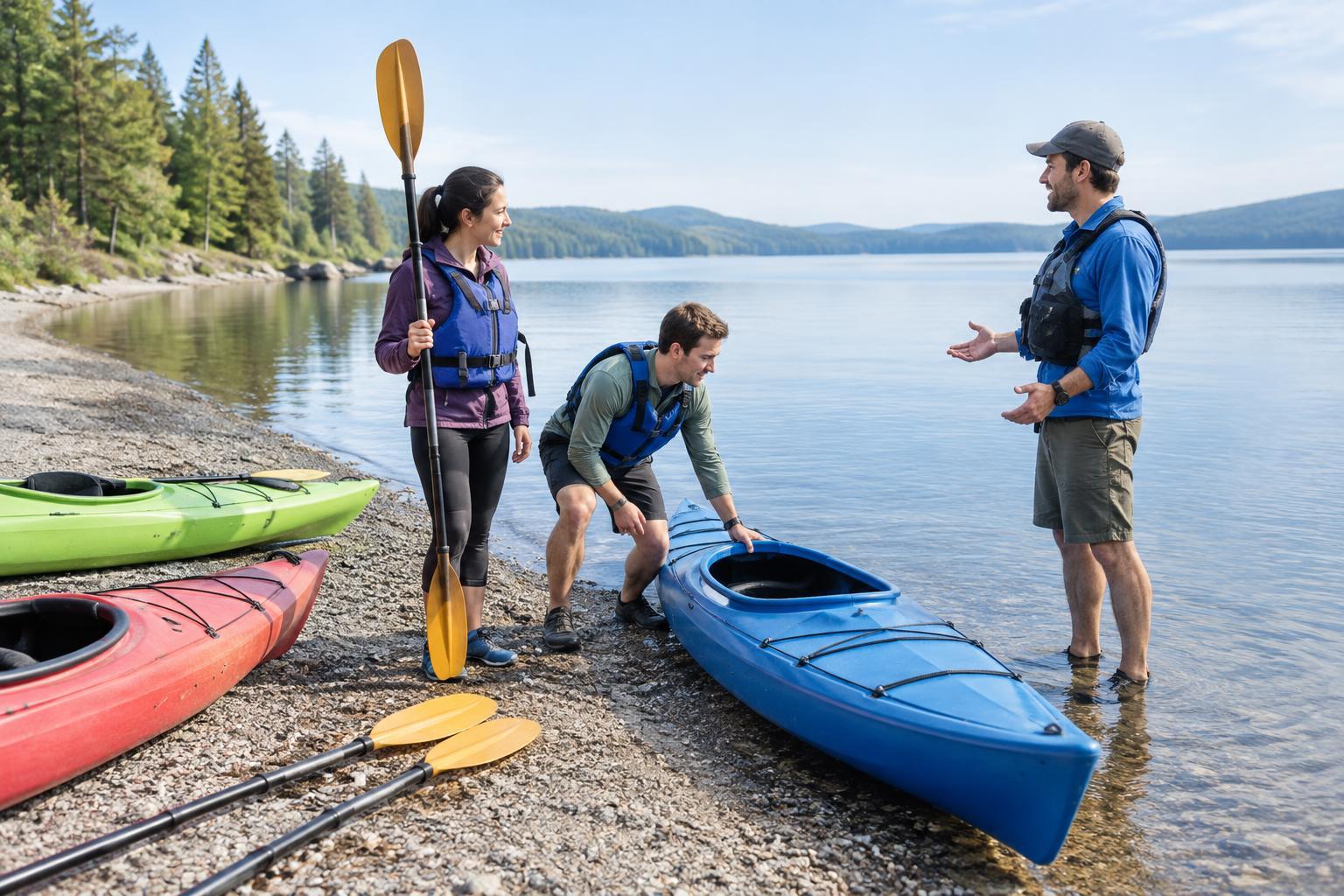
Admission is not always the only fee at an attraction. Check whether the activity you want is included in the basic ticket and whether booking, equipment rental or parking costs extra. For a low-cost outing, choose the part you most want to do and budget for that first. An optional add-on is easier to decline when you have already decided what matters.
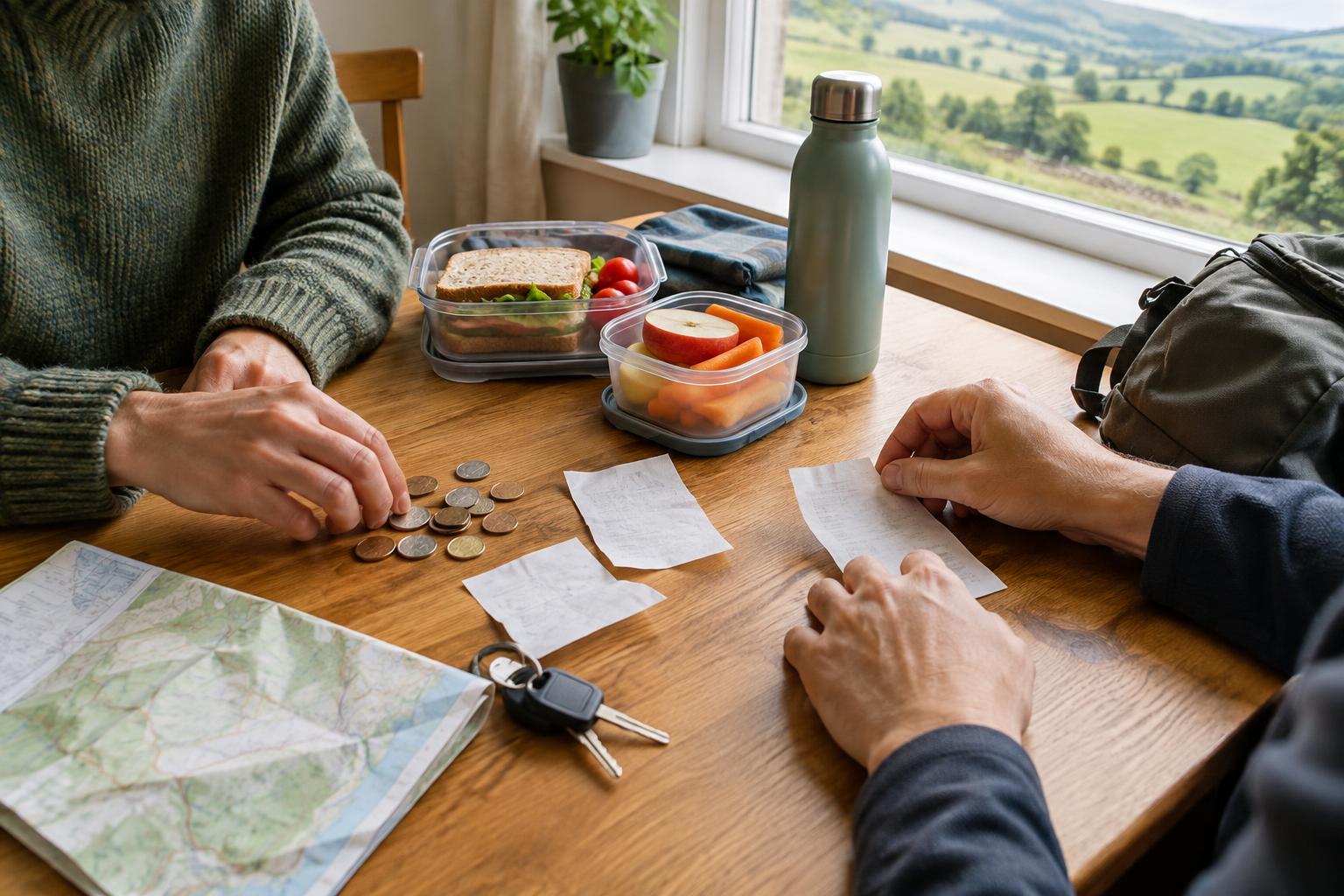
Food deserves its own line in the budget, even for a short trip. If you will be out over lunch, decide whether to pack a meal, buy one or combine the two. Bringing water and a snack can prevent a small delay from turning into an unplanned purchase, while leaving room for a café stop if that is part of the fun. Remember that a displayed menu price may not be the final amount you pay; allow for applicable tax and a tip where appropriate.
Try a simple, adjustable example
Suppose you set an illustrative $80 limit for one person's day outing. You might assign $20 to round-trip transport, $15 to admission, $25 to lunch and a snack, and $20 to a buffer. Those figures are planning placeholders, not prices to expect everywhere. Replace them with the costs for your route, activity and food choices before you commit.
The buffer is for ordinary surprises: a fare you misread, a change of plans or a drink on a warmer-than-expected afternoon. It is not an invitation to spend the remainder automatically. If the outing comes in under budget, you can keep what is left. If the first estimate exceeds your limit, change one substantial choice—such as the destination or the meal plan—rather than trying to save a few cents on every item.
Do a quick check before you leave
The day before, confirm the essentials: opening hours, reservation requirements, the route home and anything you need to bring. For an outdoor plan, check the forecast and have a low-cost alternative in mind. If tickets must be bought ahead, read the cancellation terms before paying, especially when weather could affect the outing.
Finally, put your budget somewhere easy to see, such as a note on your phone: total limit, transport, fees, food and buffer. You can update it as you spend without tracking every minute of the day. The aim is not to make a weekend adventure feel restrictive. It is to know which costs are covered, so you can enjoy the outing without wondering what the trip home will add.