Start with the weekend you actually want
An overnight trip can turn a familiar day out into a small adventure. You can watch the evening settle in, take your time over breakfast and explore without rushing home. The best place to sleep is not necessarily the most adventurous or the cheapest on the booking page. It is the one that leaves enough energy, time and money for the parts of the weekend you care about.
Before comparing listings, decide what would make the trip feel worthwhile. Is the goal a quiet night outdoors, an easy base for a morning walk or simply a change of scene? Think about who is coming, how well everyone sleeps away from home and how much setup you want to do after traveling. For a first trip, a destination within a comfortable drive or transit ride can make an unfamiliar overnight feel much easier.
What each option asks of you
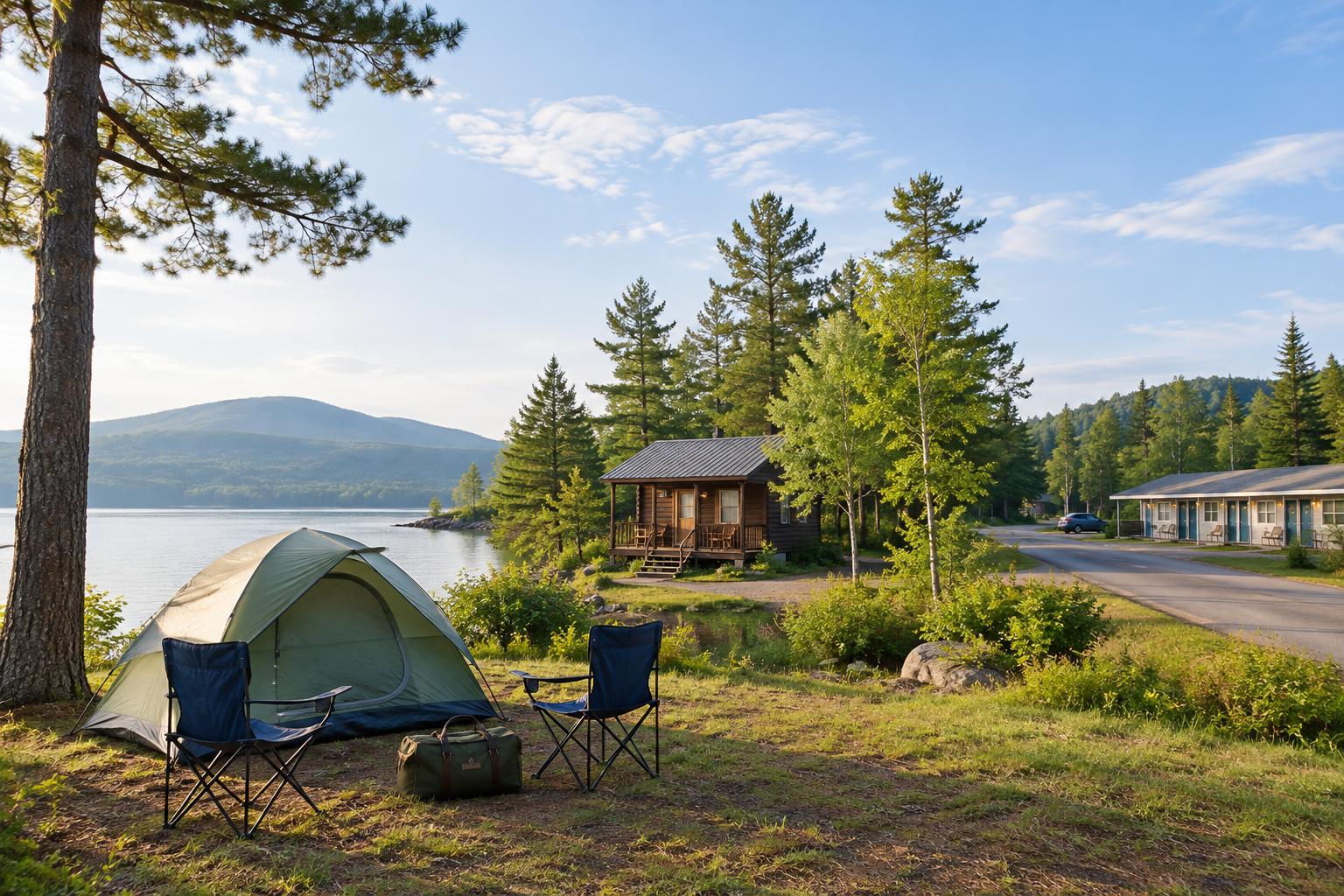
A campsite offers the most direct outdoor experience: dinner at a picnic table, fresh air before bed and no need to travel to a trailhead in the morning. It also asks the most preparation. You may need a tent, sleeping gear, a light, a way to cook and a plan for rain. Check whether the site has toilets, drinking water, showers, parking and a place to charge a phone. A campsite with basic facilities and nearby activities is often a gentler introduction than a remote pitch.
A cabin can be a useful middle ground. You get a solid roof and less setup while staying close to the outdoors. But “cabin” can describe anything from a simple shelter with bunks to a fully equipped rental. Read the amenities list closely: bedding, towels, cooking equipment, heating and bathrooms may or may not be included. If you are hoping to keep costs down, find out what you would need to bring before deciding that the nightly rate is a bargain.
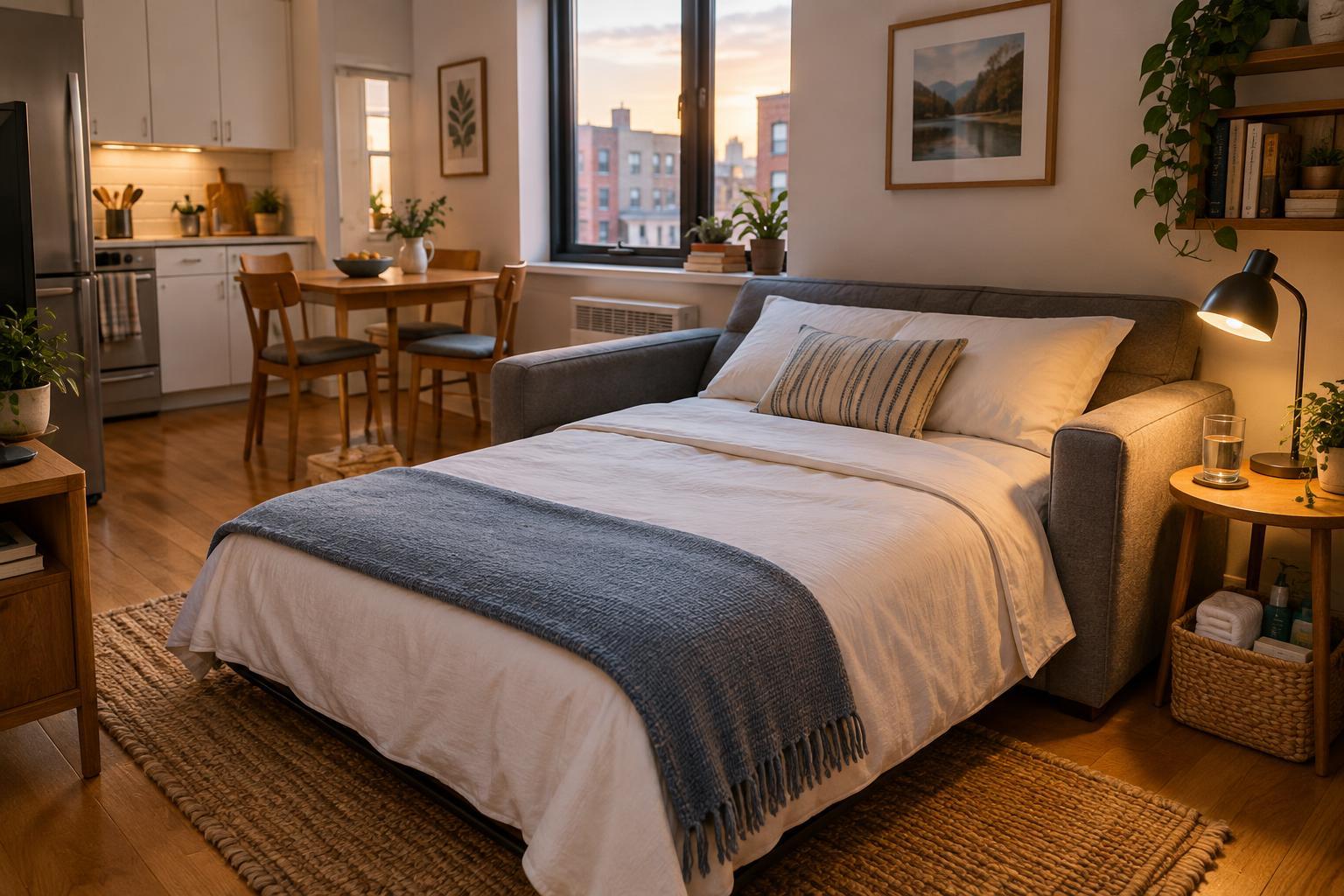
A budget motel keeps the practical side simple. A bed, bathroom and predictable place to return to can make sense if your main plan is hiking, visiting a town or spending the day at a nearby attraction. It can also suit someone who does not own camping gear or wants a more dependable sleep setup. The trade-off is less time immersed in nature, and you may need to travel between your room and the places you want to explore.
Compare the whole cost, not just the nightly rate
Make a short list for each realistic option: lodging, transport, meals, supplies and any activity or parking fees. Add costs that are easy to overlook, such as bedding rental, firewood where permitted, pet fees or an extra journey to reach a cheaper room. Check the booking terms too, including cancellation rules and arrival times. A lower nightly price may not save money if it requires buying equipment you will rarely use.
For a first camping trip, consider borrowing suitable gear or choosing a site where you can use what you already own. If you pick a cabin or motel, simple meals can help keep the weekend affordable: pack breakfast, bring picnic lunches and choose one meal to eat out if you want to. Leave a little room in the budget for an unexpected stop or a change in plans. The goal is a trip you can enjoy without counting every small purchase.
Let weather and comfort break the tie
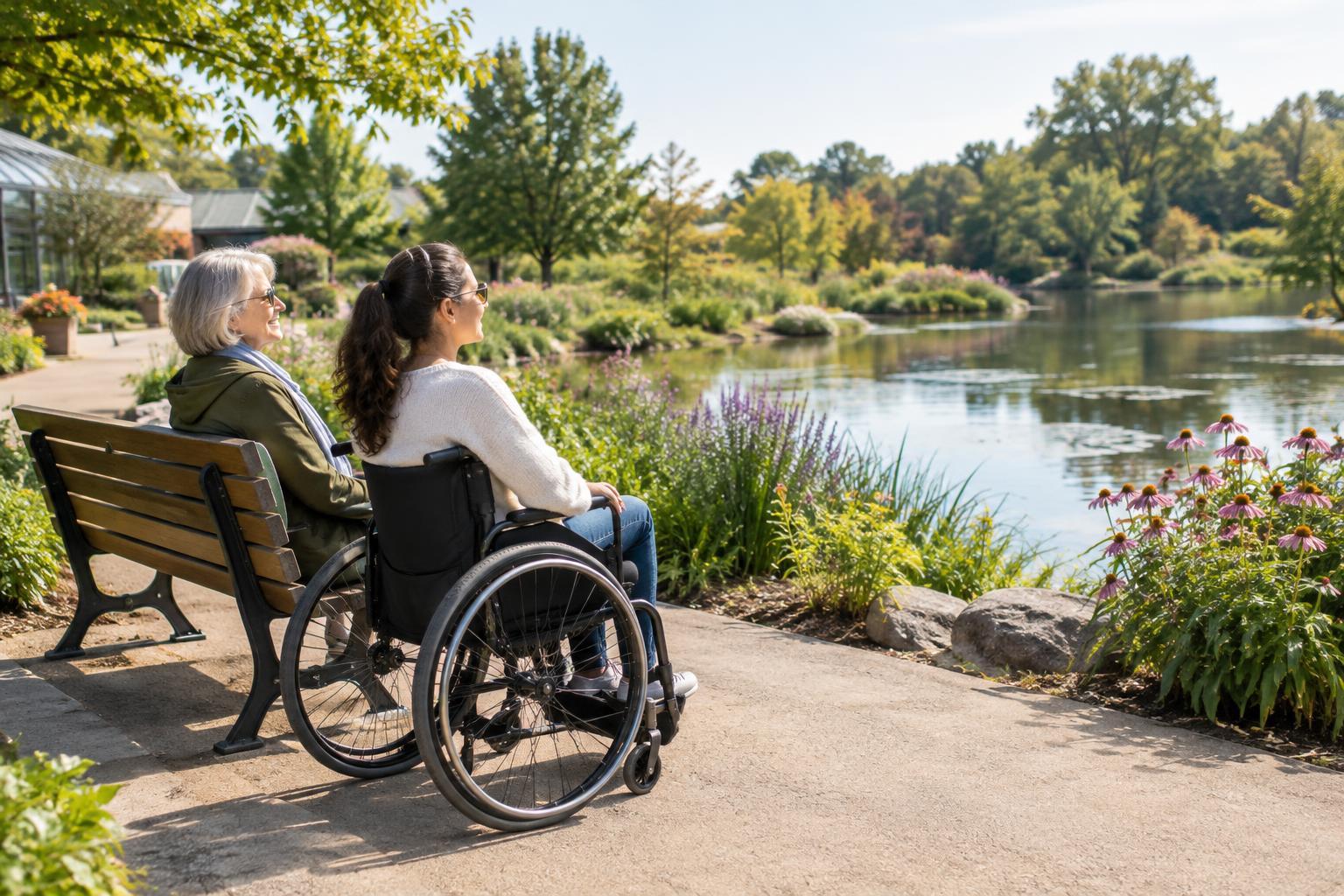
Imagine the least convenient version of the forecast. Would you still enjoy setting up a tent in rain, or would a cabin make the trip more relaxing? If warmth, a private bathroom or a reliable place to sleep is important to anyone in your group, treat that as a real requirement rather than a luxury. Check the sleeping arrangements and accessibility details before booking; a listing photo may not tell you how far the room or pitch is from parking and facilities.
You can also choose by how much effort you want on either side of the trip. Camping involves packing, setup, drying and storing gear afterward. A cabin may involve cleaning and bringing linens. A motel generally requires less equipment, which can be appealing if you are leaving straight from work or returning late on Sunday. None of these choices is a lesser adventure. A comfortable base can help you spend more of the weekend exploring.
Book a simple first itinerary
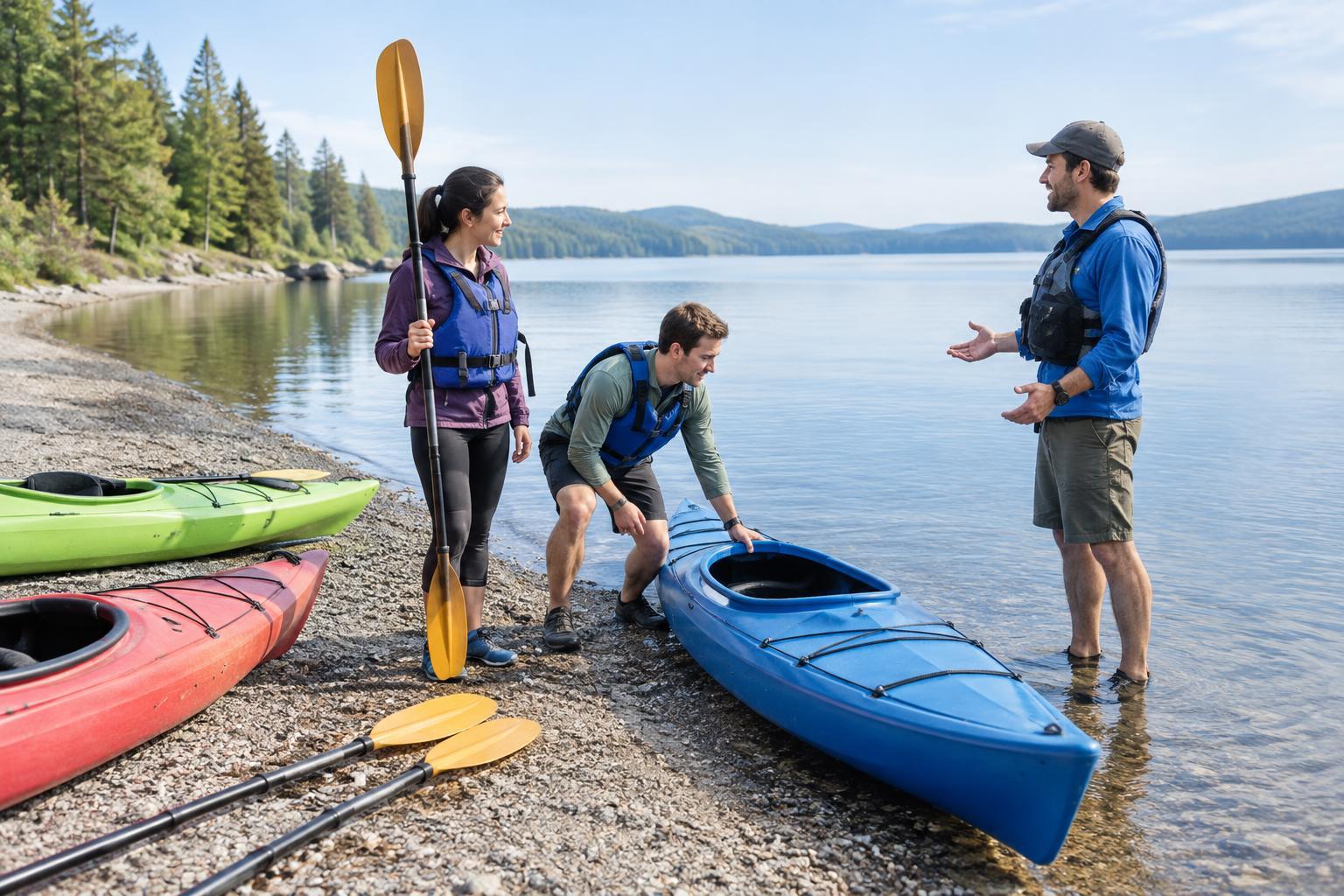
Once you have chosen your stay, build the weekend around one main activity, such as a short trail, a lakeside walk or an afternoon exploring a nearby town. Add a flexible backup for poor weather. Before leaving, confirm the address, check-in process, site rules and what is supplied. Save the details where you can access them without a signal, and let someone at home know your general plan if you are traveling somewhere remote.
Pack for the place you booked rather than for an imagined perfect trip: layers, comfortable shoes, water, snacks, toiletries, a phone charger and any bedding or cooking items the listing requires. If you are camping, follow site rules for food storage and fires, and leave the pitch tidy. Your first overnight does not need to prove anything. Choose the option that makes it easiest to wake up glad you stayed.