A brand with a past, and a practical place in the present
UniqueYou began in 2014 with scarves and clothing. Its story includes a pause and a return after the domain was recovered, rather than an uninterrupted run of trading. That distinction matters if you appreciate a brand’s history but prefer a straightforward account of it. The original brown wordmark, horse motif and “Since 2014” detail speak to that earlier identity; a neutral taupe palette gives the presentation a quiet backdrop for color, texture and pattern.
The useful question for a shopper is simpler than the history: what job should this accessory do? A scarf might soften a structured jacket, a shawl might sit over an occasion dress, and a small square might make a plain shirt feel more personal. UniqueYou’s emphasis on elegant, accessible accessories fits best when you treat the collection as a set of possibilities for your existing wardrobe, not as a reason to replace it. Start with the clothes you reach for most, then look for an accessory that helps them do more.
Begin with three outfits you already trust
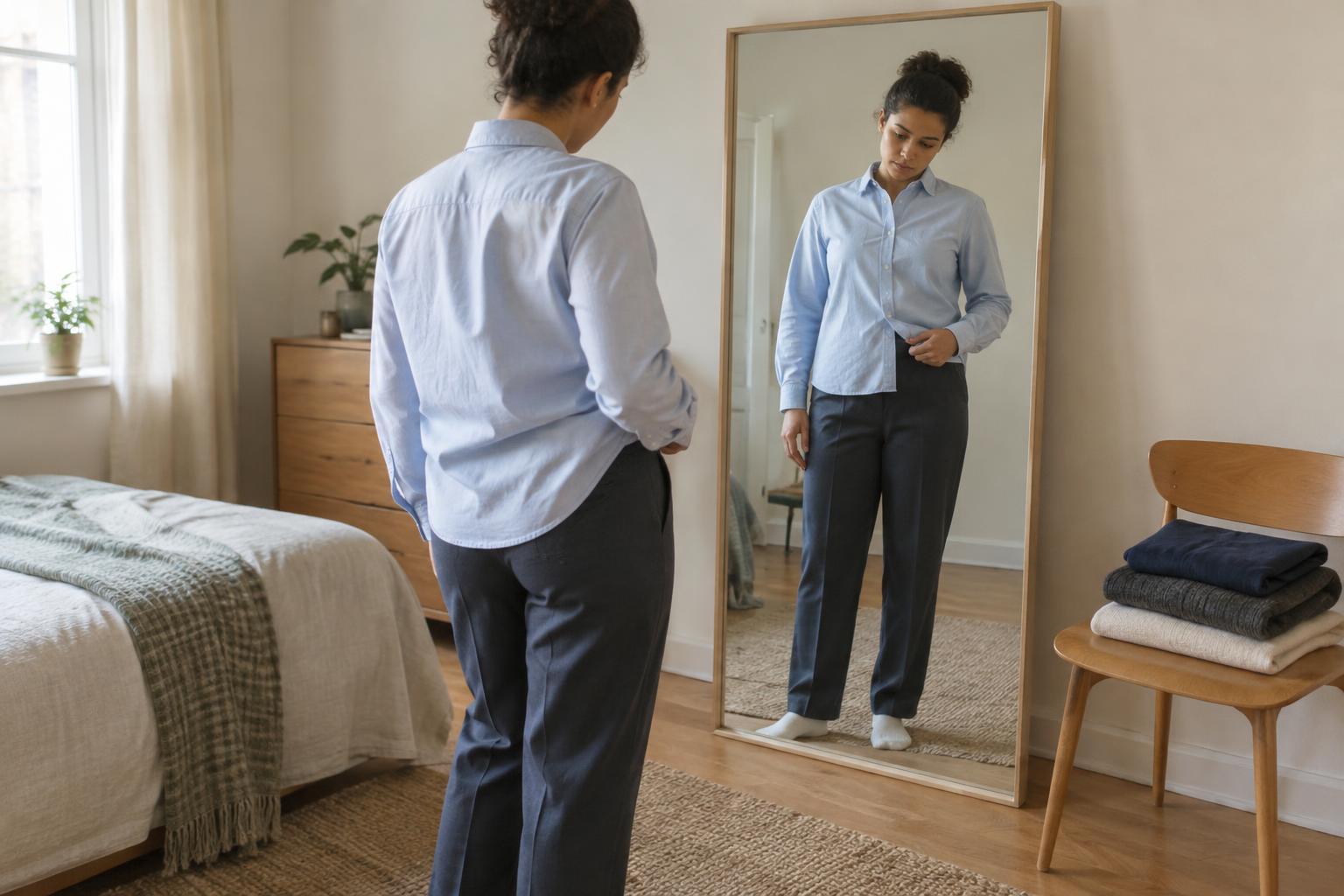
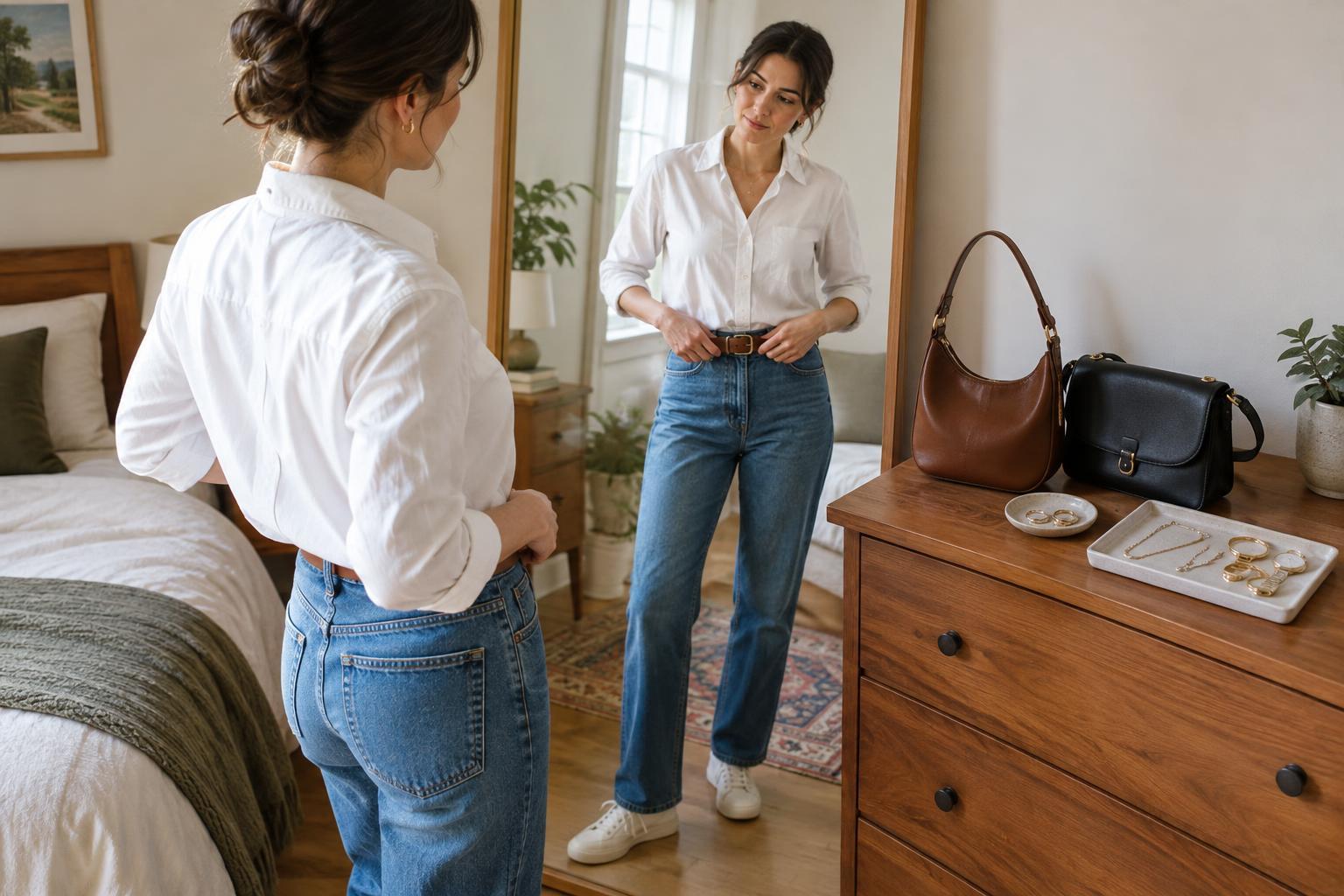
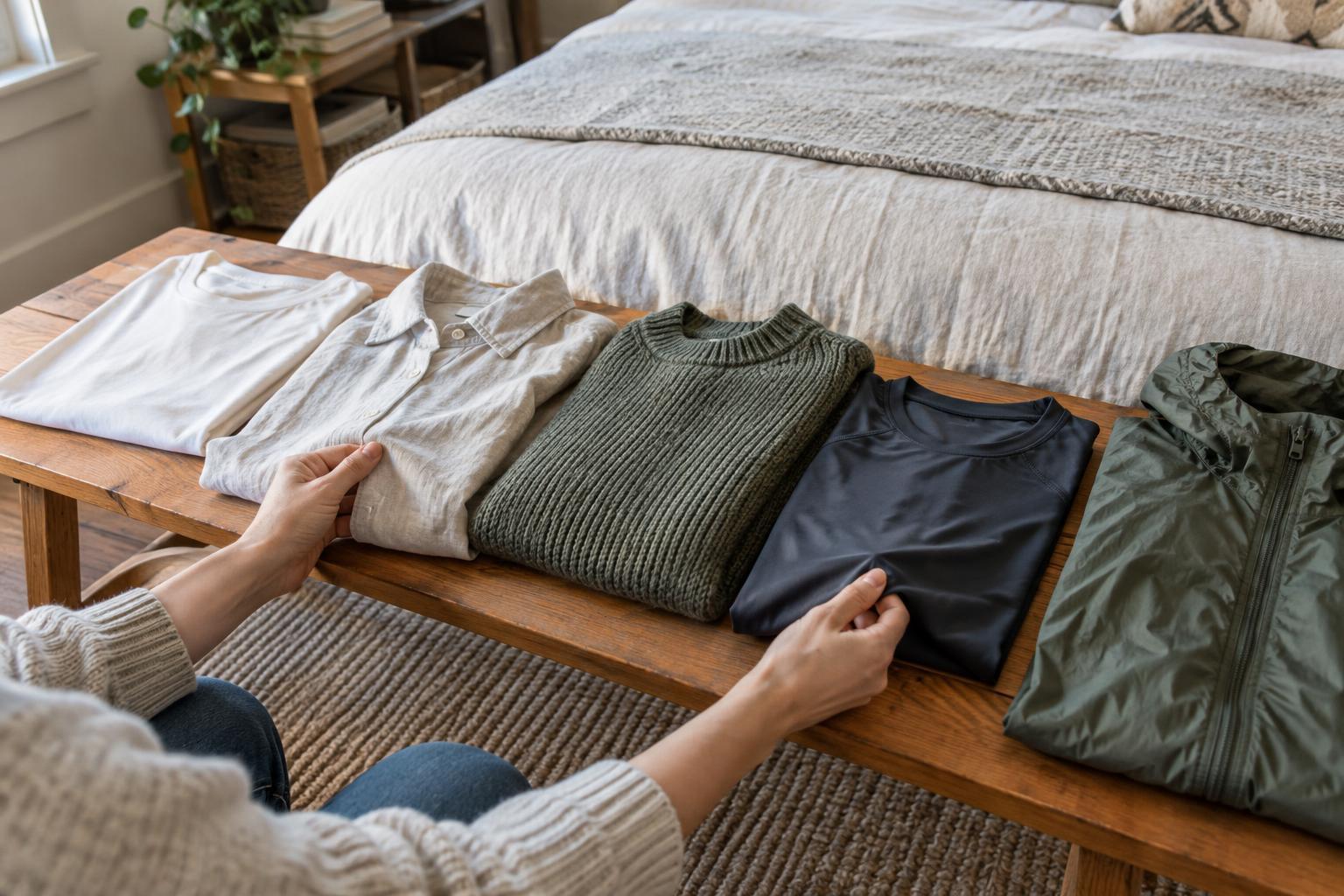
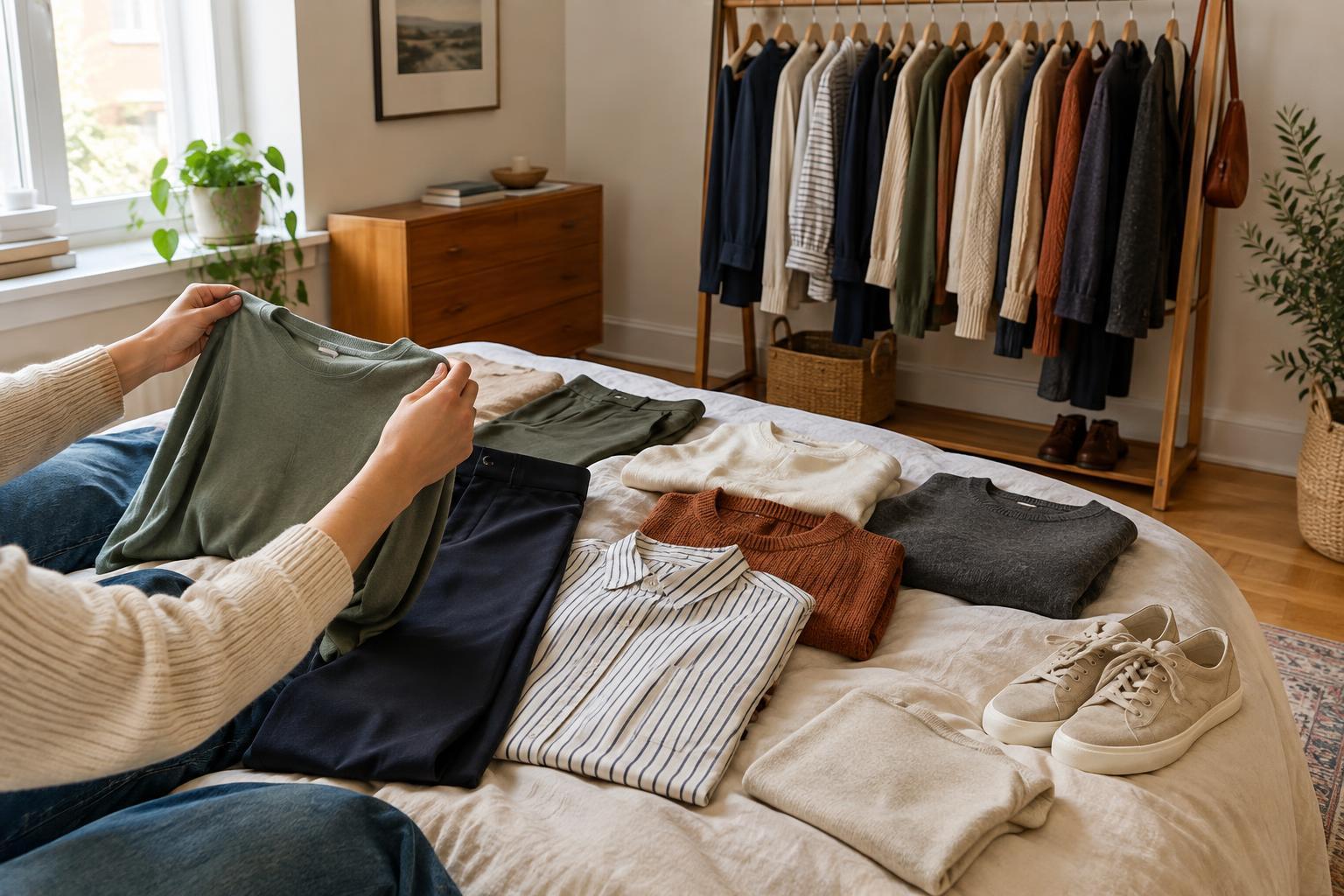
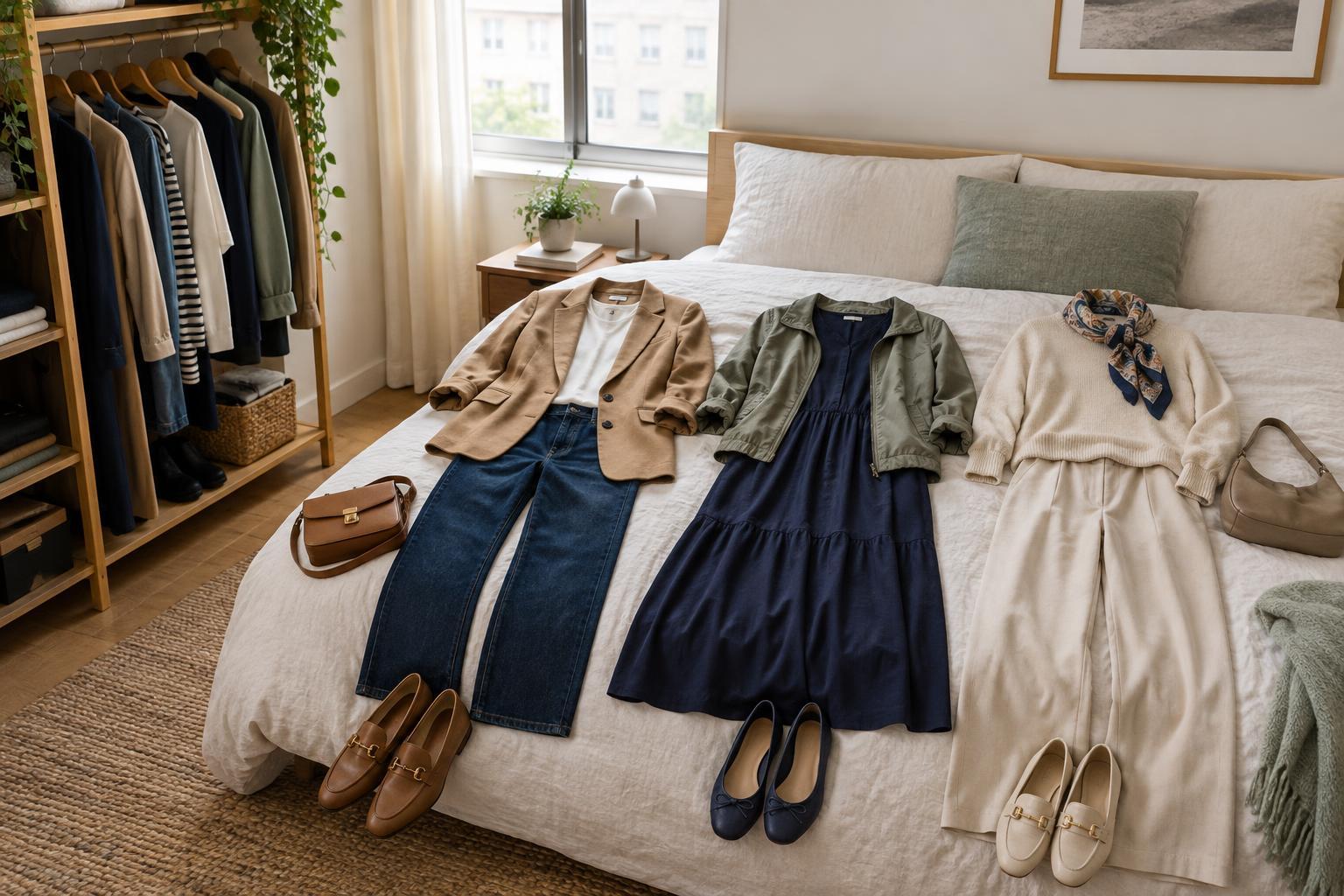
Before choosing a scarf, lay out or photograph three outfits: one for ordinary errands or work, one for a relaxed weekend, and one for an invitation that calls for a little more care. Include your usual outer layer. A scarf that looks right beside a blouse may sit very differently against the collar of your winter coat. Notice which colors repeat across the three outfits and where you might welcome contrast. If navy, cream and denim do most of the work, you can choose a shade that connects them or a deliberate accent that makes them feel new.
This exercise is especially helpful when storage and spending space are limited. Instead of asking whether a pattern is beautiful in isolation, ask whether you can name two ways you would wear it next week and one way you would wear it in another season. You do not need a perfectly coordinated wardrobe. A scarf can bridge pieces that already coexist: for example, a warm-toned print can connect a tan bag to a dark coat, while a quieter solid can settle a busy blouse. Keep the decision grounded in your own clothes rather than an imagined new wardrobe.
Choose the shape before the flourish
Scarves, wraps, shawls and squares invite different habits. A narrow or compact scarf can sit inside a coat without adding much bulk at the shoulders. A larger wrap offers more fabric to drape across an outfit, while a shawl can cover the upper arms when you want an extra layer over a dress. A square can be folded into a slim neck tie, worn more loosely, or used to add interest near the face. These are styling possibilities, not fixed rules: dimensions and fabric behavior matter as much as the category name.
Think through the moment when you will put the piece on and take it off. If you often move between a chilly commute and a heated room, a shape you can fold and carry may be more useful than a dramatic drape you have to rearrange. If your main goal is an evening layer, check whether the width gives you the coverage you want without obscuring the outfit underneath. A practical test is to imitate the intended fold with a scarf you already own; it makes the difference between a neck accessory and a shoulder wrap surprisingly clear.
Read material information one item at a time
UniqueYou has silk, cashmere and wool categories, but a category label is not a promise that every item has the same fiber composition. Check the individual product details before buying, especially if texture, warmth, care or sensitivity matters to you. Also consider construction and size. Two pieces associated with the same fiber can feel different because of their weave, thickness and finish. If those details are important to your decision, look for the exact listing rather than relying on a broad material name.
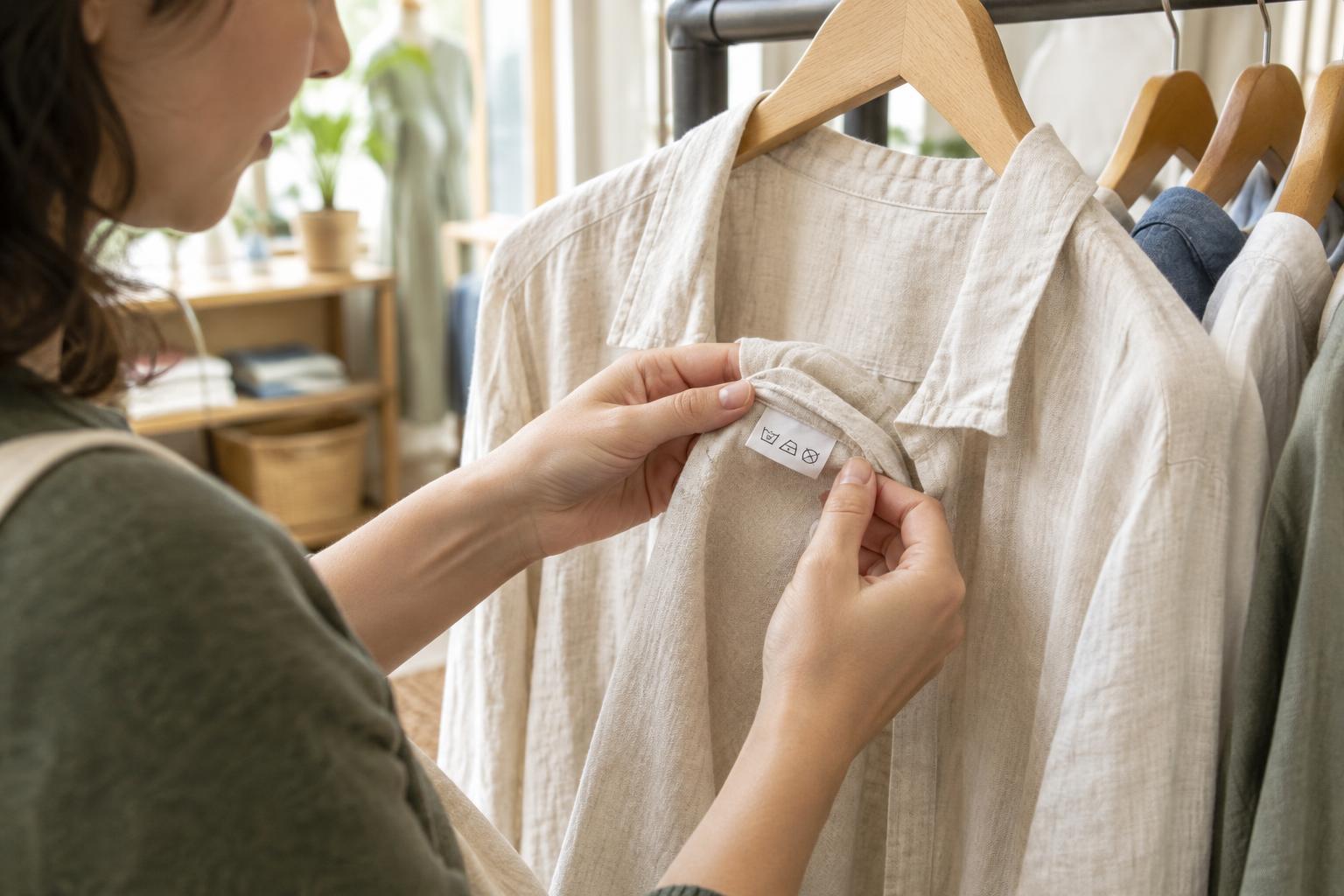
Match the material choice to the use you have in mind. A light, smooth piece may suit a neck fold under a blazer; a more substantial piece may suit the days when you want coverage around a coat collar. For a gift, care demands can be as important as appearance. Someone who likes a simple routine may prefer an accessory whose care instructions fit that routine. Read the label when the item arrives, handle unfamiliar fabrics gently, and avoid assuming that one method of washing or storage works for every scarf.
Use color, pattern and scale with intention
A scarf sits close to the face, so its color has a different effect from the color of a handbag or shoes. Try holding a similar shade near your face in daylight, or compare it with a top you know you enjoy wearing. If your closet is mostly quiet neutrals, a checked or striped scarf can add movement without changing the whole outfit. If your coats or dresses already carry strong prints, a calmer shade may be easier to repeat. Neither choice is automatically better; the aim is to make dressing easier.
Pattern scale is worth a second look. A broad check may read as a bold block of color once it is folded, while a tiny motif can blend into texture from a distance. Think about how much fabric will actually show beneath a coat or over a jacket. A square with several colors may offer different looks depending on which corner faces outward. For a wardrobe built around black, gray and white, even one warm accent can be noticeable. For a wardrobe already rich in color, choose a scarf that repeats one familiar tone so it has a clear point of connection.
Try one piece in several ordinary settings
You do not need an elaborate styling routine to make a scarf useful. With a plain crew-neck top and trousers, a loose loop can add a little shape near the face. With a coat, tuck a simple fold inside the lapels so the color shows without covering the coat’s lines. Over a dress, drape a larger piece across the shoulders and let it remain relaxed rather than trying to keep every edge perfectly symmetrical. For a weekend walk or café stop, a square tied comfortably at the neck can give a familiar jacket a different character.
These examples also make a good test before purchase. Picture the same piece on a weekday morning, during a weekend outing and at a more dressed-up gathering. If you have to invent an entirely new outfit for every setting, it may be less versatile for you than it first appears. Comfort counts too: a knot should not pull at the neck, and a wrap should not require constant adjustment. Good styling is not about wearing an accessory in every possible way; it is about finding the few arrangements you will happily repeat.
Give a scarf without making the recipient do the work
A scarf can be a thoughtful gift because sizing is often less restrictive than it is with fitted clothing, but taste still matters. Look at what the person already wears: their usual coat color, whether they choose small prints or broad blocks of color, and whether they favor a neat neck detail or a generous layer. If you are unsure, favor a shade that has an obvious companion in their wardrobe. A scarf meant to be worn, rather than admired in a drawer, should feel recognizably like theirs.
Ask yourself about the recipient’s routines as well as their style. Someone who commutes on foot may use a different shape from someone who mainly wants an accessory for a celebration. If the gift is for a person who avoids special-care items, check the individual item’s instructions before deciding. When you cannot inspect their wardrobe, a discreet question about favorite colors or the coat they wear most is more useful than guessing from a trend. Add a note describing the outfit you imagined it with; that personal detail can make a practical present feel considered without claiming it will suit every occasion.
Keep a small accessory collection easy to use
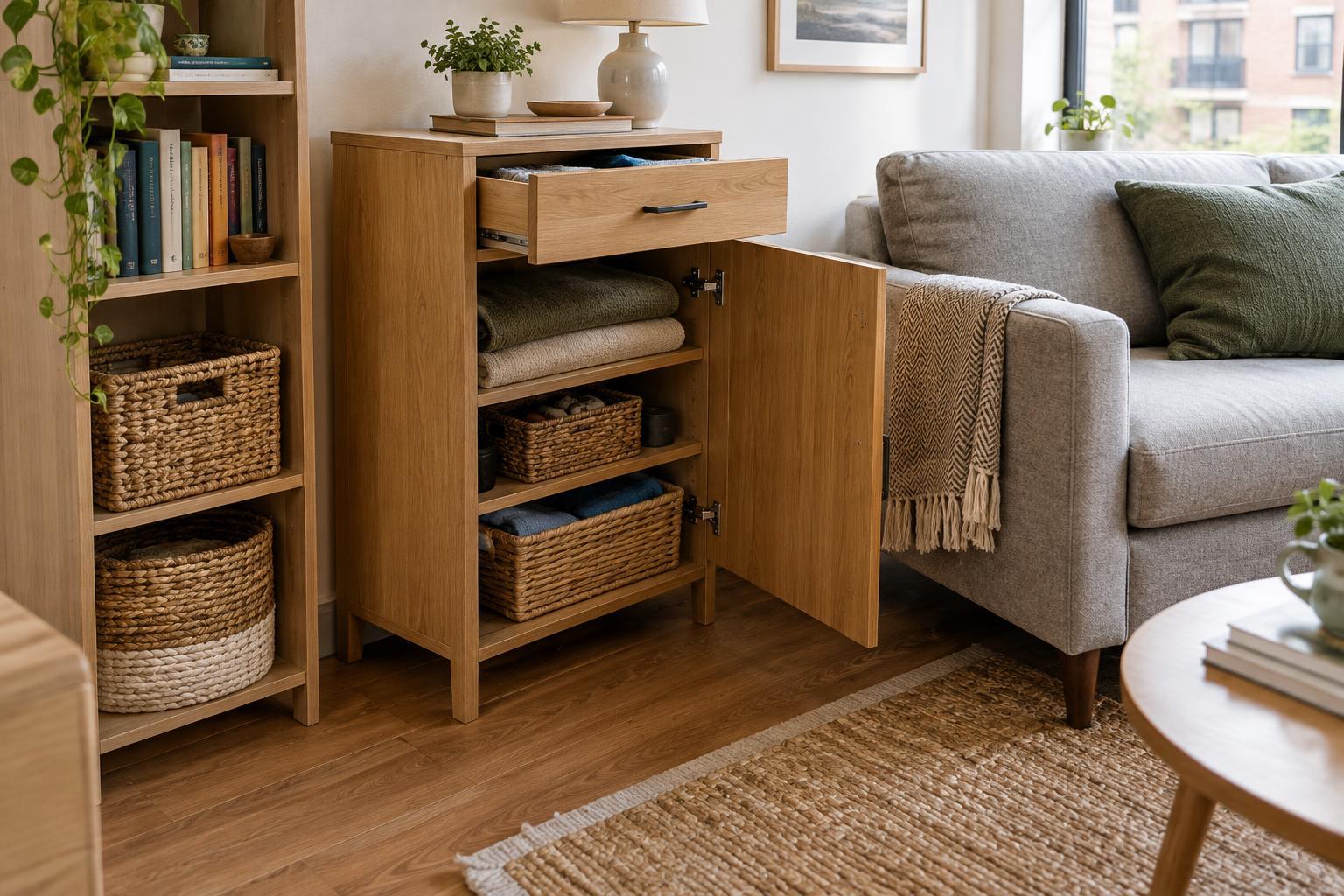
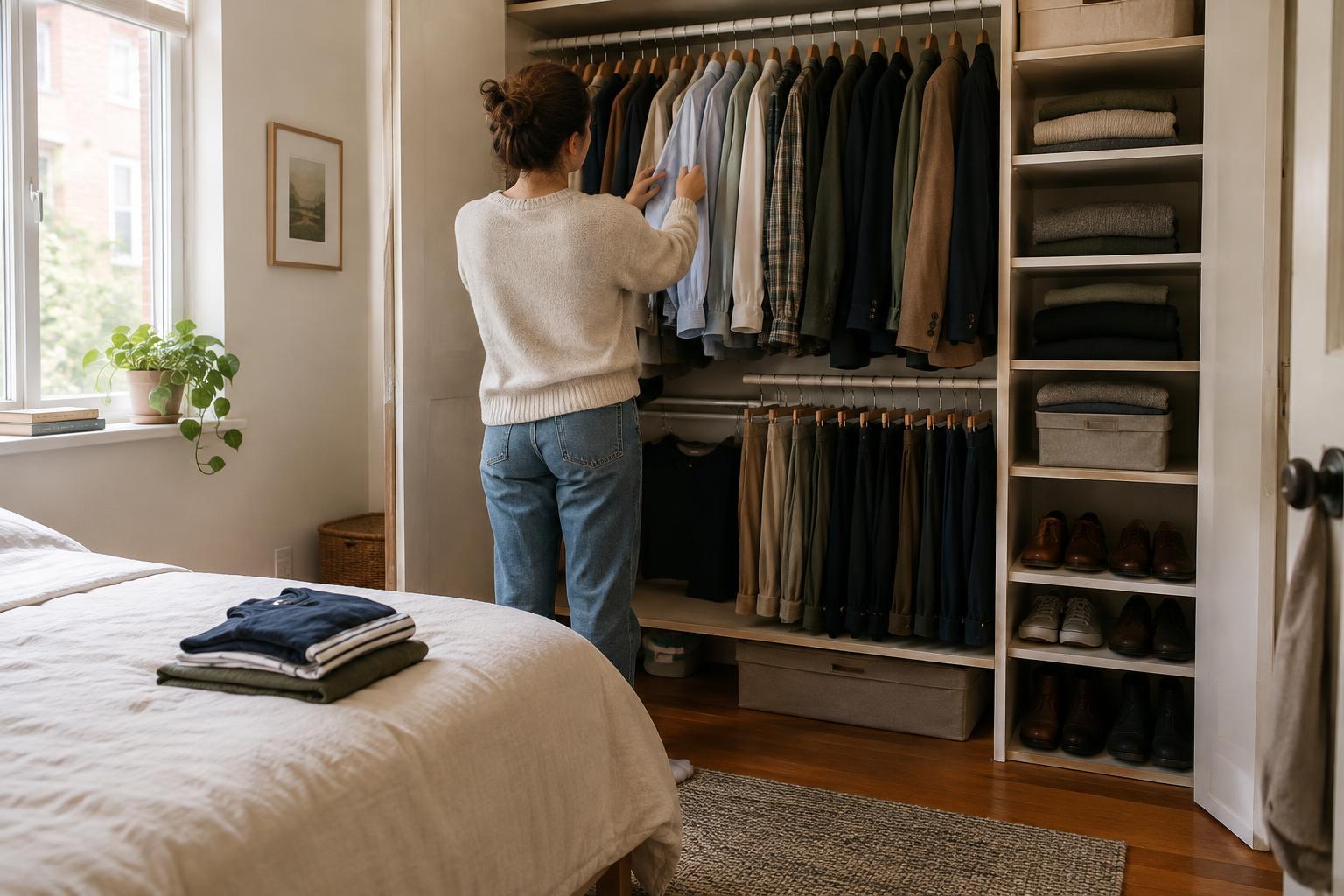
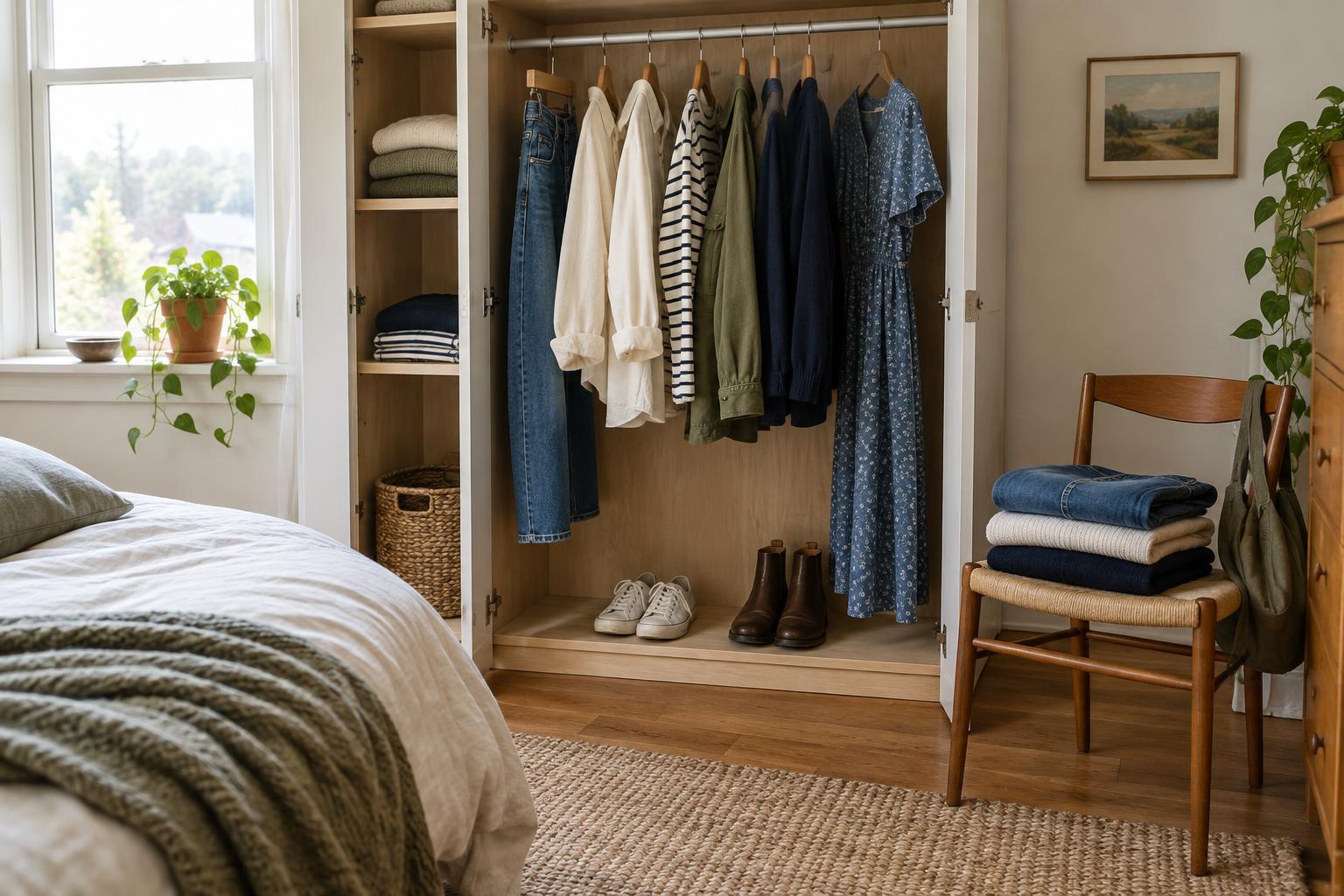
In a small home, even beautiful accessories become frustrating if they are difficult to find. Give scarves a visible, manageable place: a shallow drawer, a few broad hangers, or a clean box where folded pieces are not packed tightly. The right arrangement depends on the fabric and the care guidance for each item. Keep everyday options close to the coats or tops you wear them with, and put occasional pieces somewhere you can still remember them. A quick look at what you own may prevent buying a near-duplicate.
A simple rotation can be more effective than collecting by season alone. Place one versatile scarf near the front door when you know you will need it during the week; return it to its proper spot afterward. Before adding another, notice whether you are missing a particular function, such as a compact neck detail or a wider shoulder layer, rather than another version of the same look. This approach connects personal style with the rest of a well-organized life: fewer rushed decisions, less searching through a drawer, and more use from the pieces you chose carefully.
Make the final choice with a short checklist
Once a piece catches your eye, pause for five questions. Which two existing outfits would it improve? Does its shape work with the collars or necklines you actually wear? Is the color useful in daylight as well as in a styled image? Have you checked the individual composition and care information? And is it meaningfully different from the scarves already at home? Those questions will not dictate your taste, but they can separate an appealing picture from an accessory that fits your life.
Set a spending limit that feels comfortable before you browse, and compare candidates by usefulness rather than by an imagined number of compliments. For an occasion purchase, try on the whole outfit with a similarly sized piece if you can; for everyday wear, imagine the scarf beside your most-used coat and bag. If you cannot find a convincing match, waiting is a perfectly good choice. The strongest recommendation is not to buy more accessories. It is to choose one whose color, shape, material details and care demands make sense together.
A regional guide to finding the right starting point
UniqueYou has 20 regional domains, 21 regional-language versions and 16 distinct languages. Countries can share a language: German serves both Germany and Austria, Dutch serves Belgium and the Netherlands, and English appears in several destinations. The United Arab Emirates has an Arabic root version and an English /en version on the same domain. The guide below identifies the destination language before each local starting point; use the country and language that suit you, then check the details of any individual piece.
Poland — Polish
For the Polish-language destination, start with the local UniqueYou home page — UniqueYou. If your usual coat needs a lighter seasonal companion, the Polish-language spring-scarf collection is — szalik wiosenny UniqueYou. Compare the shape with what you already wear before choosing a color.
Germany — German
The German-language home page for Germany is — UniqueYou. For a broader draped shape, the German-language collection of wide scarves or stoles is — schal breite UniqueYou. If a restrained neutral would work with your outerwear, the German-language beige-scarf collection is — UniqueYou.
Czechia — Czech
For Czech-language browsing in Czechia, the local home page is — UniqueYou. The Czech-language silk-scarf collection is — šátky hedvábí UniqueYou; check each item’s composition and care details rather than assuming that every scarf in a category will feel or behave alike.
Spain — Spanish
The Spanish-language home page for Spain is — UniqueYou. If you want a pattern that can lift a plain jacket or coat, the Spanish-language checked-scarf collection is — bufanda cuadros mujer UniqueYou. Consider how much of the check will show once the scarf is folded.
France — French
For France, the French-language home page is — UniqueYou. A wider layer for an outfit is available through the French-language stole collection — etole femme UniqueYou. For a different styling idea, the French-language collection of head and hair scarves is — UniqueYou. Choose by intended use as well as appearance.
Hungary — Hungarian
The Hungarian-language home page for Hungary is — UniqueYou. For a scarf considered for cooler days, the Hungarian-language wool-scarf collection is — sálak gyapjúból UniqueYou. The Hungarian-language silk-scarf collection is — UniqueYou for another material direction; read each product description before deciding.
Italy — Italian
For Italian-language shopping in Italy, begin at the home page — UniqueYou. The Italian-language wool-scarf collection is — sciarpe di lana UniqueYou, while the Italian-language stole collection is — UniqueYou. Picture the first with your everyday outerwear and the second across the shoulders of a specific outfit.
Romania — Romanian
The Romanian-language home page for Romania is — UniqueYou. If you are comparing draped layers rather than a small neck detail, the Romanian-language shawl collection is — sal UniqueYou. Check dimensions against the coverage you want from the finished outfit.
Slovakia — Slovak
For Slovakia, the Slovak-language home page is — UniqueYou. A compact accessory for a collar or neckline is a different choice from a shoulder wrap; the Slovak-language neck-scarf collection is — šatky na krk UniqueYou. Start by picturing it with a shirt you already own.
Finland — Finnish
The Finnish-language home page for Finland is — UniqueYou. If your wardrobe could use a deliberate color accent, the Finnish-language red-scarf collection is — tyylikäs punainen huivi UniqueYou. Hold a similar red beside your usual coat to judge whether you prefer contrast or a closer match.
Sweden — Swedish
For Swedish-language browsing in Sweden, the home page is — UniqueYou. The Swedish-language silk-scarf collection is — scarf dam silke UniqueYou. If the accessory is intended to accompany a dress or wedding outfit, the Swedish-language occasion-shawl collection is — UniqueYou; consider the outfit’s neckline and the coverage you want.
Denmark — Danish
The Danish-language home page for Denmark is — UniqueYou. For pattern without committing to a large print, the Danish-language striped-scarf collection is — stribede halstørklæder UniqueYou. Think about whether the stripes will complement the colors you repeat in your everyday coats and tops.
Belgium — Dutch
This Belgium destination is in Dutch; its home page is — UniqueYou. The Dutch-language silk-scarf collection is — sjaals zijde UniqueYou, and the broader Dutch-language scarf collection is — UniqueYou. Compare individual items for size and composition if you are deciding between a neat neck fold and a larger layer.
Austria — German
For Austria, the German-language home page is — UniqueYou. The German-language merino-wool scarf collection is — merino schal damen UniqueYou, while the German-language cashmere-scarf collection is — UniqueYou. Use the individual item descriptions to compare composition, care and the feel you want beside your coat.
Netherlands — Dutch
The Dutch-language home page for the Netherlands is — UniqueYou. If you need an accessory to drape over an outfit rather than tuck into a collar, the Dutch-language stole collection is — stola UniqueYou. Check its listed size against the way you plan to wear it.
United States — English
The English-language home page for the United States is — UniqueYou. For a generous layer, the English-language wrap-shawl collection is — wrap shawl UniqueYou. If a patterned everyday option is more useful, the English-language checked-scarf collection is — UniqueYou. Compare both with your most-worn coat.
United Arab Emirates — Arabic
The United Arab Emirates’ root destination is in Arabic; its home page is — UniqueYou. To move from the home page to an Arabic-language scarf collection, use — UniqueYou. This is the Arabic version, distinct from the English-language destination for the same country.
United Arab Emirates — English
For the United Arab Emirates’ English-language destination, the local scarf-shop entry point is — scarf shop UniqueYou. It serves readers who prefer English rather than the Arabic root version; from there, compare a candidate’s shape and item details with your own wardrobe.
Ireland — English
The English-language home page for Ireland is — UniqueYou. For a small accessory with several possible folds, the English-language square-scarf collection is — square scarves UniqueYou. A square can bring color near the face without requiring a new jacket or top.
United Kingdom — English
For the United Kingdom, the English-language home page is — UniqueYou. The English-language cashmere-wrap collection is — cashmere wrap scarf UniqueYou, and the English-language neckerchief collection is — UniqueYou. Their different shapes make it worth deciding first whether you want shoulder coverage or a compact neck accent.
Portugal — Portuguese
The Portuguese-language home page for Portugal is — UniqueYou. If you are looking at a softer-looking layer for an existing coat, the Portuguese-language cashmere-scarf collection is — cachecol de caxemira UniqueYou. Check the individual item’s composition and care information before making your choice.
Choose the scarf you can imagine reaching for on an ordinary morning, not only on a special day. When its shape, color and care fit the wardrobe and routine you already have, a small accessory can feel like a genuinely useful addition.